
Bathroom Remodel Cost in the Bay Area: What to Budget in 2026
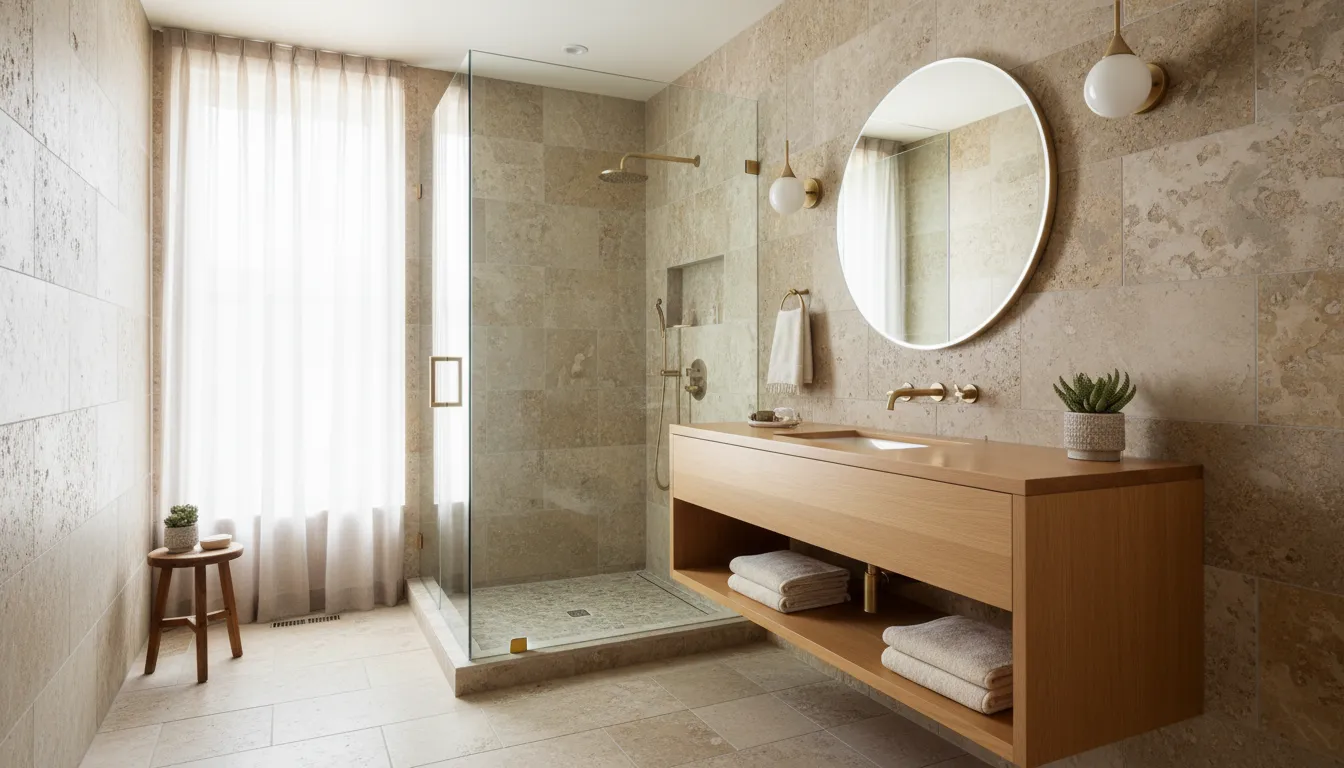
Bay Area bathroom budgets can rise fast once walls open and permits enter the plan. Clear cost tiers keep a promising design from becoming an expensive surprise.
Bathroom remodel cost Bay Area estimates generally run from $15,000 for a cosmetic refresh to $50,000 or more for a luxury, down-to-the-studs renovation. Many full renovations fall between $25,000 and $45,000, while San Francisco projects may climb higher because of labor, permit, layout, and finish choices. Labor alone can consume 40% to 65% of the total budget, so a low fixture allowance does not guarantee a low final price. A realistic 2026 budget should match the room’s size, planned plumbing changes, material grade, and the condition revealed after demolition. Homeowners should also reserve a contingency for hidden water damage, code updates, and other work that cannot be priced before walls open.
Your final number depends on more than square footage, and the right budget starts with an honest scope. Average bathroom remodel cost in the Bay Area sets the baseline before we break down labor, finishes, permits, and the choices that shift your total. Here is how.
Average bathroom remodel cost in the Bay Area
For 2026 planning, a Bay Area bathroom remodel can range from about $15,000 for a cosmetic refresh to $135,000 or more. Many full renovations fall between $25,000 and $45,000, based on room size, materials, and scope. These ranges offer a useful starting point, not a fixed quote.
A site assessment is the best way to set an accurate budget. It reveals existing conditions, access limits, code needs, and hidden plumbing or electrical work.
Cost ranges by project scope
| Project scope | 2026 planning range | Typical work included | Main cost drivers |
|---|---|---|---|
| Cosmetic refresh | $15,000 to $25,000 | Paint, lighting, hardware, and surface updates | Finish quality and fixture choices |
| Mid-range remodel | $25,000 to $45,000 | New vanity, fixtures, tile, flooring, and limited layout changes | Tile area, labor, and plumbing changes |
| High-end renovation | $50,000 to $135,000+ | Custom design, premium finishes, major layout work, and added features | Custom details, structural work, and premium materials |
A cosmetic project keeps the plumbing layout and focuses on visible updates. Mid-range work often replaces major fixtures and finishes. High-end projects may include custom storage, natural stone, a curbless shower, or a new room layout. Our guide to luxury bathroom renovation costs explores that upper tier in more detail.
Why the final quote may differ
Two bathrooms with the same square footage can have different costs. One may need simple fixture swaps, while another needs water damage repairs or new plumbing. Site access, permits, and local code needs can also affect labor and scheduling.
Permit valuation is not the same as a contractor’s construction quote. San Francisco’s DBI Cost Schedule states that its valuations are used to calculate permit fees. It also warns that they are not accurate guides to actual construction cost.
Building a useful planning budget
Start by defining what must change and what can stay. Then select a realistic finish level before requesting quotes. This keeps early estimates tied to a clear scope and helps prevent later surprises.
Allow room for issues that may appear after demolition, especially in older Bay Area homes. A clear design package also helps contractors price the same work. Homeowners can plan a bathroom remodel budget alongside design, material ordering, permits, and construction.
What drives the price of a Bay Area bathroom remodel?
The bathroom remodel cost Bay Area homeowners face depends more on scope than square footage alone. A clear scope lets you compare bids on equal terms. It also shows which choices have the greatest effect on the budget.
Room size, layout, and core systems
A larger bathroom needs more tile, flooring, paint, lighting, and labor. Yet moving the layout can cost more than adding a few square feet. Keeping the toilet, shower, and vanity near their current locations often limits plumbing and framing work.
New fixture locations may require drain, water, vent, or electrical changes behind finished surfaces. A larger shower can also call for more detailed waterproofing and drainage work. These upgrades improve function, but they add skilled labor before any visible finishes go in.
Permits and required inspections also affect the total. San Francisco bases permit fees on a percentage of project valuation, according to the city’s DBI Cost Schedule. The same source notes that permit valuation is not an exact guide to construction cost.
Finish level and custom work
Finish choices can shift a bathroom from practical to high-end without changing its footprint. Stock vanities, common tile sizes, and standard fixtures tend to control costs. Natural stone, premium fittings, and detailed tile patterns need more material and installation time.
Custom work brings another layer of design and labor. Built-in storage, made-to-order cabinets, frameless glass, niches, and floating vanities must fit the room with care. Homeowners considering these features can review luxury bathroom renovation costs before setting priorities.
- Spend first on waterproofing, ventilation, and the systems behind the walls.
- Choose one or two focal finishes instead of upgrading every surface.
- Confirm lead times before approving custom cabinets, glass, or specialty fixtures.
Access limits and hidden conditions
Site access changes how crews move people, tools, and debris. Stairs, narrow halls, limited parking, and strict work hours can slow daily progress. Older Bay Area homes may also reveal damaged framing, old wiring, or failed plumbing after demolition starts.
Set aside room in the budget for conditions that no one can see during design. Before work begins, decide which finish upgrades can wait if repairs appear. A detailed scope and early selections also help you plan your bathroom remodel budget around ordering and construction needs.
When comparing proposals, ask each contractor to separate base scope, allowances, and optional upgrades. Check whether demolition, disposal, permits, waterproofing, and final installation are included. This makes tradeoffs clear and reduces surprises once construction begins.
Materials and labor costs to budget for
A useful bathroom budget separates the visible products from the work needed to install them. It should also include design, permits, protection, cleanup, and a reserve for hidden issues. This view makes the bathroom remodel cost in the Bay Area easier to compare across bids.
Core material categories
Finish choices can shift the total even when the room layout stays the same. Tile, plumbing fixtures, a vanity, counters, lighting, glass, hardware, and paint form the main material groups. Custom sizes and special finishes may also add design or installation work.
Set a working allowance for each group before selecting products. Then note whether the quote includes tax, delivery, storage, and waste. These details matter because a low product allowance may make one proposal look cheaper than a complete proposal.
- Wet-area materials: waterproofing, tile, grout, shower pans, tubs, and glass.
- Fixtures and fittings: toilets, faucets, valves, drains, sinks, and accessories.
- Built-in finishes: vanities, counters, mirrors, lighting, flooring, and paint.
- Project support: delivery, disposal, permits, site protection, and final cleaning.
Labor behind the finished room
Bathrooms place several skilled trades in a small space. Demolition, framing, plumbing, electrical work, waterproofing, tile, cabinetry, painting, and glass installation must happen in the right order. Careful coordination helps prevent delays and costly rework.
One local cost guide says labor can account for 40% to 65% of a Bay Area bathroom budget. The actual share depends on scope, access, layout changes, and finish detail. A tile-heavy room or moved plumbing will usually need more trade time than a surface refresh.
Bay Area labor pricing also reflects the skill needed to meet local rules and pass inspections. Permit costs require separate review. San Francisco’s DBI Cost Schedule explains that permit valuations are not accurate guides to actual construction costs.
Complete scope comparisons
Compare bids line by line, not by the headline total. Check whether each contractor includes design, permits, demolition, waterproofing, finish installation, cleanup, and project management. Also confirm who buys materials and who handles damaged or delayed items.
Ask contractors to list allowances, exclusions, and change-order rules in clear terms. A complete scope can cost more at first yet leave fewer gaps during construction. You can also plan your bathroom remodel budget around the order of work and key scheduling decisions.
Do you need permits for a bathroom remodel in San Francisco?
A bathroom remodel in San Francisco often needs permits when the work changes plumbing, electrical systems, ventilation, walls, or the room layout. A simple surface refresh may follow a different path. Before setting the scope, confirm requirements with the building department that governs the property.
Work that may require permits
Replacing finishes in place is different from moving a shower drain or adding new lighting. Changes behind walls tend to involve more review because they can affect safety, water lines, wiring, or structure. The final permit needs depend on the exact work and the local rules.
- Moving or adding plumbing fixtures, drains, or supply lines
- Adding circuits, outlets, lighting, or heated floors
- Changing walls, windows, ventilation, or the bathroom layout
- Building a new bathroom or changing how a room is used
Do not assume that a small bathroom means a simple approval process. A compact room can still include several licensed trades and separate inspections. Early design and planning helps define the work before applications and pricing begin.
Why the city or county matters
Permit rules, forms, review steps, and inspection practices can vary across San Francisco, Oakland, Concord, and nearby cities. The property address decides which agency has authority. A contractor should check that agency’s current rules instead of using a permit plan from another Bay Area city.
San Francisco also uses a Department of Building Inspection cost schedule to calculate permit valuation. Its published schedule says permit fees are based on a percentage of that valuation. It also states that the valuation is not an accurate guide to actual construction cost.
Schedule and budget effects
Permit work adds tasks before and during construction. Plans may need review before work starts, while inspections must fit between key phases. Crews may need to pause before closing walls or moving to finishes until the required inspection is complete.
Build review time, permit charges, plan updates, and inspection coordination into the bathroom remodel cost Bay Area homeowners compare. Also keep some schedule room for corrections or added review. The related bathroom remodel timeline can help owners place these steps within the wider project plan.
A clear estimate should separate construction costs from permit-related allowances and state what the contractor will manage. Ask who prepares plans, submits applications, answers review comments, schedules inspections, and handles any requested corrections. Those details make bids easier to compare and reduce surprises after demolition starts.
How long does a bathroom remodel take?
Most Bay Area bathroom renovations take 3 to 6 weeks of construction, depending on scope. Planning, permits, and material orders add time before demolition starts. A detailed schedule helps protect both the timeline and the bathroom remodel cost Bay Area homeowners approve.
A practical project sequence
The steps below show how a full bathroom renovation usually moves from an idea to a finished room. Homeowners can also use our guide to plan your bathroom remodel budget around each phase.
-
Plan the scope and layout. The design team measures the room, reviews goals, and confirms which walls or plumbing lines may move. Early layout choices shape the plans, budget, permit needs, and trade schedule.
-
Select and order materials. Choose tile, fixtures, cabinets, lighting, and hardware before work begins. Confirm stock dates and inspect key items on delivery. A delayed vanity or special-order valve can stop several trades.
-
Secure permits and schedule work. The contractor submits required plans and answers review comments. In San Francisco, permit fees use a percentage of project valuation. The city’s DBI Cost Schedule also notes that permit valuation is not an actual construction cost guide.
-
Demolish and complete rough work. Crews remove old finishes, expose hidden conditions, and complete framing, plumbing, and electrical work. Water damage or outdated wiring may change the plan. Rough inspections must pass before walls close.
-
Install finishes and fixtures. Crews complete waterproofing, tile, paint, cabinets, counters, trim, and final fixture connections. This phase needs careful trade coordination. Tile patterns and custom glass can require more time than standard products.
-
Complete final inspection and punch list. The contractor checks each detail, tests fixtures, and corrects remaining items. Required final inspections follow. The homeowner then reviews the finished bathroom and notes any small adjustments.
Common schedule risks
Permit review time varies by city and project scope. Structural changes, plumbing moves, and added electrical work often need more review than a surface refresh. Inspection availability can also affect when the next trade starts.
Hidden damage is another common risk. Crews may find leaks, rot, or old systems only after demolition. Quick written approvals help the team price changes and keep work moving without losing scheduled trade dates.
Decisions that keep work moving
Approve the layout and finish schedule before ordering begins. Keep backup choices for tile, fixtures, and hardware with uncertain lead times. A complete design preview can help settle key choices before construction.
During construction, respond to questions promptly and avoid late layout changes. Ask for regular schedule updates, including upcoming inspections and deliveries. Clear decisions reduce downtime and make cost changes easier to track.
How to plan a realistic bathroom remodeling budget
A realistic budget starts with a clear scope, not a rough total pulled from another project. Before requesting bids, decide which fixtures, surfaces, storage, and lighting must change. Write down what should stay, what may change, and what is optional. This first pass keeps later choices tied to your goals.
Scope and layout decisions
For an accurate bathroom remodel cost in the Bay Area, settle the layout before pricing finishes. Keeping the toilet, shower, and vanity in place can limit plumbing and framing work. Moving them may improve daily use, but it adds labor and may expose hidden conditions. If layout changes matter, price them early instead of treating them as late upgrades.
Divide the planned work into three groups:
- Required: repairs, waterproofing, safe wiring, ventilation, and code-related work.
- High priority: the layout, fixtures, storage, and finishes that shape daily use.
- Optional: upgrades that can be removed without weakening the main design.
This list gives you a useful way to adjust the project if bids exceed the target. It also helps each contractor price the same scope, which makes proposal comparisons more useful.
Selections and contingency funds
Select tile, fixtures, cabinetry, hardware, and lighting before demolition begins. Record each product, allowance, lead time, and approved substitute in one budget sheet. This turns a broad estimate into a plan based on real choices. Golden Heights Remodeling’s Design and Planning process can help connect those choices to the full scope.
Set aside a separate contingency fund for damage or conditions that cannot be seen before demolition. It protects the core plan when crews find old plumbing, weak framing, or failed waterproofing. Permit costs also need their own line. San Francisco notes that permit fees are based on project valuation, while that valuation is not an accurate guide to construction cost.
Keep the contingency outside the finish allowance. Otherwise, an early material upgrade can use the money needed for a later repair. If the reserve remains unused, decide near project completion whether to add an optional feature.
Comparable proposals and smart savings
Ask contractors for proposals that separate labor, materials, allowances, permits, and excluded work. Confirm that each bid covers demolition, debris removal, protection, inspections, and final cleanup. One low total may simply leave out work included elsewhere. A complete proposal should also explain how changes are priced and approved.
Smart savings protect function while reducing finish costs. Choose simpler tile patterns, standard fixture sizes, or a well-made stock vanity. Reusing a sound layout can also preserve funds for waterproofing and skilled installation. Review the plan for your bathroom remodel budget alongside the project schedule, since delayed selections can affect both.
Do not save by reducing waterproofing, ventilation, electrical safety, or permit work. Cheap materials in wet areas can also create repair costs later. Rushed bids often hide unclear allowances and exclusions. A resilient budget funds the work behind the walls first, then fits visible upgrades around it.
Choosing a Bay Area bathroom remodeling partner
A scope you can compare
Begin with a written scope that makes each contractor’s proposal easy to compare. A useful proposal names the fixtures, finishes, labor, permit work, cleanup, and items excluded from the price. If one bid groups most work into broad line items, ask for more detail before comparing totals.
Ask each contractor to show an active license and current insurance coverage. Also confirm who will manage permits and inspections in your city. For San Francisco projects, permit fees are based on a percentage of project valuation, according to the city’s DBI Cost Schedule. The city also notes that this valuation does not show the actual construction cost.
- Confirm the exact work included in demolition, plumbing, electrical, waterproofing, tile, and finish installation.
- Check whether design, permits, inspections, disposal, and site protection appear in the price.
- Request examples of recent bathrooms with a scope and finish level close to yours.
Allowances and change orders
Allowances are placeholders for products that have not been selected. Each allowance should name the covered item, budget, quantity, tax treatment, and any labor tied to its installation. A low allowance can make a proposal look affordable, then raise the bathroom remodel cost in the Bay Area after selections begin.
Ask how the contractor handles products that cost more or less than their allowances. A sound change-order process explains the added scope, price, schedule effect, and required approval before work starts. It should also state how hidden damage or code issues will be documented and priced.
Early selections make these comparisons clearer. A structured design and planning process can define materials, layout, and project needs before construction. This helps reduce unclear assumptions between the homeowner and contractor.
Communication and relevant work
Review who will be your main contact and how often that person provides updates. Relevant bathroom experience matters because these rooms combine plumbing, electrical work, waterproofing, ventilation, tile, cabinetry, and finish details. Discuss similar completed projects, not just a general portfolio.
Ask how the team tracks decisions, selections, open questions, and schedule changes. Then confirm how long planning, ordering, permits, construction, and inspections may take for your scope. A local bathroom remodel timeline can help frame that discussion before you sign a contract.
- Meet the person who will oversee day-to-day work and confirm their role.
- Ask how often you will receive progress, budget, and schedule updates.
- Request references for projects with similar layouts, finishes, and permit needs.
If the answers are clear and consistent, you can compare partners on project control rather than price alone. That comparison helps expose missing scope before it becomes an added cost.
Frequently Asked Questions
How much does it cost to remodel a bathroom in the Bay Area?
Bay Area bathroom remodel costs vary by size, scope, layout changes, and finish quality. A cosmetic refresh can start near $15,000, while a full renovation often costs $25,000 to $45,000. Luxury projects can exceed $50,000. These figures are planning ranges, not quotes. The local cost breakdown notes that labor alone may represent 40% to 65% of the budget.
How long does a bathroom renovation take in the Bay Area?
Most Bay Area bathroom renovations take about three to six weeks for construction, depending on scope and site conditions. Planning, design, permit review, and material ordering can add time before work starts. The reported local timeline allows one to three weeks for permits and ordering, followed by demolition, rough work, tile, fixtures, and finishes.
What is the difference between a cosmetic refresh and a full bathroom renovation?
A cosmetic refresh updates visible finishes without changing the bathroom’s basic layout or plumbing locations. It may include paint, lighting, hardware, or a vanity replacement. A full renovation replaces major fixtures, tile, flooring, and often plumbing or electrical systems. Full renovations cost more and take longer because they involve demolition, skilled trades, inspections, and more extensive material selections.
Why are remodeling costs in the Bay Area higher than the national average?
Bay Area bathroom remodeling costs reflect higher local wages, licensed trade rates, permit fees, and strict building requirements. Older homes may also need plumbing, electrical, waterproofing, or structural corrections after demolition. Material access, parking limits, and difficult jobsite logistics can raise labor time. According to a Bay Area renovation guide, local codes can increase both project timelines and costs.
Do I need a permit for a bathroom remodel in San Francisco?
A San Francisco bathroom remodel may require permits when work changes plumbing, electrical systems, walls, ventilation, or the room’s layout. Simple surface updates may have different requirements. Confirm the scope with the city and your contractor before construction begins. The San Francisco Department of Building Inspection cost schedule explains that permit fees are based on a percentage of project valuation.
Ready to Plan Your Bay Area Bathroom Remodel?
Delaying your bathroom remodel can lead to rushed decisions, shifting priorities, and a budget that no longer supports the result you want for your home. Starting the planning process now gives you room to compare options, set a practical scope, and prepare for each project step with confidence early on. Early planning also helps resolve design questions before construction, so your finished bathroom better matches your daily needs, long-term plans, available budget, and schedule.
Ready to replace rough estimates with a clear plan for your San Francisco or Bay Area bathroom project in 2026? Schedule a consultation to discuss your space, priorities, preferred timeline, and next steps with Golden Heights Remodeling before you commit to a final project scope.
Ready to talk about your kitchen?
Get a free, no-pressure design consultation. We'll walk through your goals, budget, and the upgrades with the best return for your home.