
Best Flooring for Bay Area Homes: Waterproof, Hardwood, Tile, and ROI
The best flooring for Bay Area homes depends on where the material is going, how your household lives, and how much moisture, foot traffic, and resale pressure the space needs to handle. A Walnut Creek kitchen, a San Francisco bathroom, a Concord ADU, and a whole-home remodel in Oakland all ask different things from the floor underfoot. The right choice is not just the prettiest sample in the showroom. It is the surface that holds up to daily use, fits the architecture of the home, and supports the long-term value of the remodel.
Planning a flooring remodel? Schedule a consultation with Golden Heights Remodeling to compare materials, installation needs, and design options for your Bay Area home.
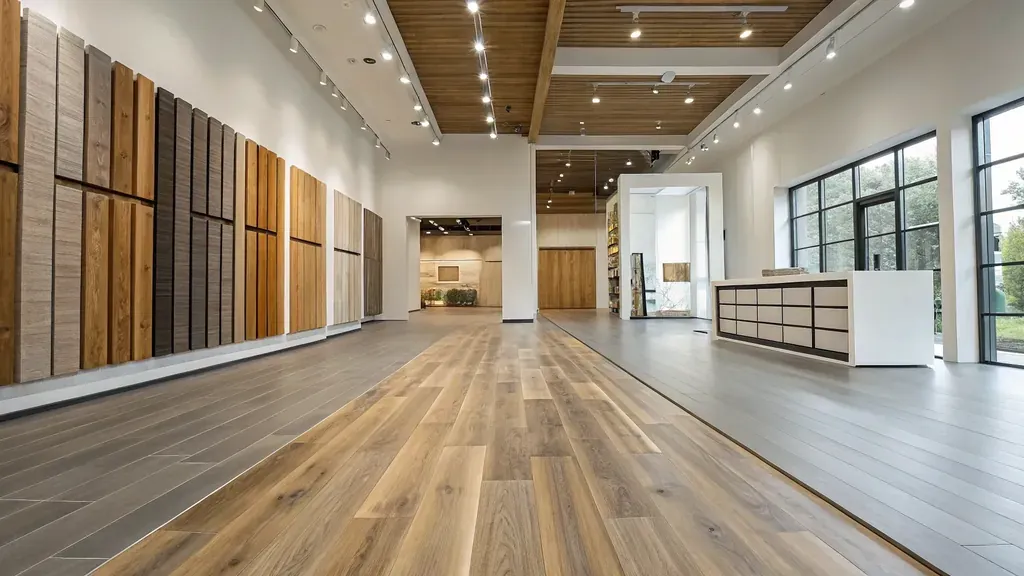
Flooring is one of the few remodeling decisions you see and feel every day. It affects sound, comfort, cleaning, durability, indoor style, and how connected each room feels to the next. It also has to work with Bay Area realities: older subfloors, sloped homes, foggy coastal air, busy family kitchens, bathroom humidity, pet traffic, and buyers who expect a polished finish when a home comes back to market.
This guide compares waterproof flooring, hardwood, engineered wood, tile, and luxury vinyl for kitchens, bathrooms, ADUs, and full-home remodels. Use it as a practical starting point before you choose samples, finalize a budget, or approve a design plan.
Quick Answer: What Is the Best Flooring for Bay Area Homes?
For most Bay Area remodels, the best flooring plan is a room-by-room mix rather than one material everywhere. Engineered hardwood is often the best fit for living rooms, dining areas, hallways, and bedrooms when homeowners want warmth and long-term appeal. Porcelain tile is the safest choice for bathrooms, laundry rooms, and high-moisture areas. Luxury vinyl plank can be a smart option for ADUs, rental spaces, busy kitchens, and budget-conscious full-home updates. Waterproof flooring makes sense where spills, pets, or tenant turnover are part of daily life.
Solid hardwood still has a strong place in premium homes, but it needs the right environment, the right installation, and realistic expectations around moisture and maintenance. In many Bay Area homes, engineered hardwood offers a better balance of natural wood appearance and dimensional stability.
Flooring Comparison for Bay Area Remodels
| Flooring Type | Best For | Main Strength | Main Watchout |
|---|---|---|---|
| Engineered hardwood | Living rooms, bedrooms, hallways, open floor plans | Real wood look with better stability than solid hardwood | Not ideal for standing water or wet bathrooms |
| Solid hardwood | Premium living spaces and historic homes | Classic resale appeal and refinishable surface | More sensitive to moisture and movement |
| Porcelain tile | Bathrooms, laundry rooms, entries, some kitchens | Excellent water resistance and durability | Hard underfoot and colder without radiant heat |
| Luxury vinyl plank | ADUs, rentals, kitchens, family homes, lower levels | Water resistance, comfort, and practical maintenance | Quality varies widely by product line |
| Waterproof laminate | Bedrooms, offices, some kitchens, budget updates | Affordable wood-look finish with scratch resistance | Edges and installation quality matter around water |
How Bay Area Conditions Change the Flooring Decision
National flooring advice often ignores local context. Bay Area homes range from older San Francisco properties with uneven framing to newer East Bay homes with open kitchens and high-traffic family rooms. A flooring material that performs well in a dry inland bedroom may not be the best choice for a fog-prone coastal entry or a bathroom with limited ventilation.
Moisture and microclimates
Coastal air, shaded lots, crawl spaces, and older ventilation systems can all affect flooring performance. Moisture does not have to mean a visible leak. It can show up as cupping, gapping, swelling, musty odors, or finish damage over time. That is why material selection and subfloor preparation matter as much as the finish layer.
Bathrooms, laundry rooms, and entries should be treated as moisture zones. Kitchens are not wet rooms, but they do see spills, dishwasher leaks, pet bowls, and heavy cleaning. In these areas, waterproof or water-resistant flooring deserves serious consideration.
Older homes and subfloor surprises
Many Bay Area remodels reveal uneven subfloors, old patches, previous DIY repairs, or structural issues once demolition begins. Thin or rigid flooring can telegraph those problems if the base is not corrected first. A beautiful floor installed over a poor subfloor will not stay beautiful for long.
Golden Heights Remodeling approaches flooring as part of the whole remodeling system. During a flooring installation project, the team can evaluate how the subfloor, transitions, baseboards, cabinetry, door clearances, and adjacent rooms work together before final installation.
Resale expectations
Bay Area buyers notice flooring. They also notice inconsistency. A home with five different flooring types can feel choppy, even if each individual material is high quality. For resale-focused remodels, continuity matters. Engineered hardwood through main living areas, tile in bathrooms, and a durable waterproof product in an ADU can create a cleaner impression than unrelated surfaces in every room.
Best Flooring for Kitchens
Kitchens need flooring that can handle spills, foot traffic, dropped utensils, shifting chairs, and frequent cleaning. They also sit at the center of many Bay Area remodels, especially in open-concept homes where the kitchen flows into the living or dining area.
For a premium kitchen remodel, engineered hardwood is often the best choice when the goal is a warm, continuous look from the kitchen into surrounding spaces. It looks more refined than many synthetic products and can make an open floor plan feel larger. The tradeoff is that homeowners need to wipe spills quickly and choose a product with a strong finish.
Luxury vinyl plank is the practical choice for homeowners who want waterproof performance, easier maintenance, and a lower stress floor for kids, pets, or rental use. It can look clean and modern when the plank size, color, and texture are selected carefully. Avoid overly gray, overly rustic, or thin budget products that can make a new remodel feel dated quickly.
Porcelain tile is durable and water resistant, but it can feel harder and colder in a kitchen. It works best when the design leans modern, Mediterranean, or high-end contemporary, or when radiant heat is part of the plan.
If the kitchen is part of a larger renovation, coordinate flooring decisions with cabinetry, island layout, appliance locations, and finish selections. Golden Heights Remodeling can help homeowners align flooring with the full kitchen remodeling plan so the finished space feels intentional, not pieced together.
Best Flooring for Bathrooms
Bathrooms are the easiest rooms to get wrong. A beautiful wood-look floor that performs well in a hallway may fail in a bathroom if moisture reaches the seams or subfloor. For full bathrooms, porcelain tile is usually the strongest long-term choice. It resists water, cleans easily, and pairs well with curbless showers, heated floors, and high-end tile designs.
Large-format porcelain tile is especially popular because it reduces grout lines and creates a cleaner look. Smaller tile still makes sense for shower floors where slip resistance and slope control are important. For powder rooms, homeowners have more flexibility because the moisture load is lower, but water resistance still matters.
Luxury vinyl can be used in some bathroom remodels, especially secondary baths or budget-conscious updates, but product quality and installation details are critical. The floor must be compatible with the room, and edges around tubs, toilets, and vanities need careful attention.
For a full bathroom remodeling project, flooring should be selected with the shower system, waterproofing, vanity, lighting, and ventilation. A bathroom floor is not just a surface choice. It is part of the room’s moisture management plan.
Best Flooring for ADUs and Garage Conversions
ADUs need flooring that can take real life. Tenants, guests, aging parents, short-term visitors, and work-from-home setups all create different demands. The best ADU flooring is durable, easy to clean, comfortable, and cost-effective to repair if one area gets damaged.
Luxury vinyl plank is often the strongest all-around choice for ADUs and garage conversions. It handles moisture better than wood, feels warmer than tile, and can provide a consistent look across a small floor plan. In a compact unit, using one flooring material throughout can make the space feel larger and more cohesive.
Tile can work well in ADU bathrooms and entries, but using tile everywhere may make a small unit feel cold or echo-prone. Engineered hardwood can elevate an ADU, but it may not be the best choice if the space will be rented or heavily used. For many Bay Area homeowners, the goal is not just luxury. It is durability with a polished finish.
Thinking about flooring as part of an ADU or full-home remodel? Contact Golden Heights Remodeling to review layout, material choices, and installation details before you order flooring.
Best Flooring for Full-Home Remodels
In a full-home remodel, flooring should be planned early. Waiting until the end can create problems with door heights, stair transitions, cabinet installation, baseboards, and appliance clearances. It can also lead to rushed material decisions after the budget is already strained.
The best full-home flooring strategy usually starts with one primary material for the main living areas. Engineered hardwood is a strong choice when the homeowner wants warmth, resale appeal, and a high-end feel. Luxury vinyl plank is the better choice when waterproof performance, budget control, or tenant durability are higher priorities. Tile should be reserved for bathrooms, laundry rooms, and specific design moments unless the home style calls for more extensive tile use.
Transitions matter. A small height difference between rooms can create a trip edge or an awkward threshold. During a major remodel, the contractor should plan for underlayment, leveling, stair noses, baseboards, and adjacent finishes before flooring installation begins.
Hardwood vs Engineered Wood: Which Is Better in the Bay Area?
Solid hardwood has history, beauty, and long-term prestige. It can be sanded and refinished multiple times, which makes it appealing in older or higher-end homes. The challenge is movement. Solid wood reacts to moisture and temperature changes, and some Bay Area homes make those changes harder to control.
Engineered hardwood uses a real wood veneer over a layered core. That structure helps it stay more stable than solid hardwood in many remodeling conditions. It still feels like wood because the top layer is wood, but it is often a better fit for slab foundations, wider planks, and homes where humidity varies.
If resale value and natural character are priorities, engineered hardwood is often the safer recommendation for main living spaces. If the home is historic, carefully climate-controlled, and suited for traditional installation, solid hardwood can still be a beautiful investment.
Waterproof Flooring: When It Makes Sense
Waterproof flooring is not automatically the best flooring for every room, but it solves real problems. It makes sense for homes with pets, young children, frequent guests, rental areas, lower levels, and spaces where spills are likely. It also gives homeowners peace of mind in kitchens and ADUs.
The phrase waterproof can be misleading, though. A waterproof surface does not mean the entire floor system is immune to leaks. Water can still reach walls, trim, transitions, and the subfloor if a plumbing problem goes unnoticed. Good installation, perimeter details, and moisture checks still matter.
For design quality, choose waterproof products with realistic texture, balanced color, and appropriate plank width. The goal is a floor that supports the remodel, not one that announces itself as the cheapest practical option.
What Flooring Has the Best ROI?
The flooring with the best ROI is the material that matches the home’s value, room function, and buyer expectations. In higher-end Bay Area homes, quality hardwood or engineered hardwood in main living areas often supports resale because buyers associate it with warmth and permanence. In bathrooms, quality tile usually protects value better than wood-look shortcuts. In ADUs and rental spaces, luxury vinyl can create strong practical value because it reduces maintenance concerns while still looking finished.
ROI is also affected by consistency. Replacing worn, mismatched, or damaged flooring can make a home feel cleaner and more move-in ready. Over-improving a secondary space with expensive materials may not return as much value as investing in the main rooms buyers see first.
How to Choose the Right Flooring Before You Remodel
- Start with the room. Match the material to moisture, traffic, comfort, and cleaning needs.
- Check the subfloor. Uneven or damaged subfloors can limit your options or add preparation cost.
- Think about transitions. Plan how flooring meets tile, stairs, exterior doors, and existing rooms.
- Use samples in real light. Bay Area homes can change dramatically from morning fog to afternoon sun.
- Balance trend and longevity. Extremely trendy colors can age faster than natural, balanced tones.
- Coordinate with the whole remodel. Flooring should work with cabinets, counters, paint, lighting, and trim.
Frequently Asked Questions
What is the best flooring for a coastal Bay Area home?
For coastal Bay Area homes, engineered hardwood, porcelain tile, and high-quality luxury vinyl are usually safer than solid hardwood in moisture-prone areas. The right choice depends on ventilation, subfloor conditions, and how much water exposure the room gets.
Is luxury vinyl good enough for a Bay Area remodel?
Yes, luxury vinyl can be a smart choice for ADUs, kitchens, rentals, and busy family spaces when the product is high quality and installed correctly. For premium main living areas, many homeowners still prefer engineered hardwood for a more natural finish.
Should flooring be installed before or after cabinets?
It depends on the material, cabinet plan, and remodeling scope. In many kitchen remodels, the contractor coordinates flooring and cabinetry together to manage appliance heights, toe kicks, transitions, and future repair access.
Can one flooring material work throughout the whole home?
One main flooring material can work well through living areas, bedrooms, and hallways, especially in open floor plans. Bathrooms, laundry rooms, and some entries usually need a more water-resistant material such as porcelain tile.
Final Recommendation
For most Bay Area homes, the winning flooring plan is not one-size-fits-all. Use engineered hardwood where warmth, resale appeal, and design continuity matter. Use tile where water performance is non-negotiable. Use luxury vinyl or another waterproof flooring product where durability, budget, and easy maintenance are the priority. The best result comes from choosing flooring as part of the complete remodel, not as a last-minute finish.
Ready to compare flooring options for your kitchen, bathroom, ADU, or whole-home remodel? Schedule a consultation with Golden Heights Remodeling or call (800) 521-0950.
Ready to talk about your kitchen?
Get a free, no-pressure design consultation. We'll walk through your goals, budget, and the upgrades with the best return for your home.