
Bay Area homes can outgrow their layout before owners outgrow their neighborhood. The right next step may be a full remodel, a strategic addition, or a ground-up rebuild.
Schedule a consultation with Golden Heights Remodeling to compare a remodel, addition, or new build for your Bay Area home.
New construction vs remodel Bay Area planning starts with the structure you have, the space you need, and the approvals your lot can support. A full home remodel often preserves a sound shell while correcting layout, systems, finishes, and energy performance. An addition fits owners who need more usable square footage without discarding a workable home. New construction becomes practical when foundational limits or extensive structural work reduce the value of keeping the house. Local rules also matter: San Francisco guidance says substantial additions and alterations to like-new condition can be assessable new construction. Each path should be priced against your goals and tested against local review before plans are finalized.
The real question is not simply which path costs less, but which one fits your home, lot, schedule, and long-term plans. Start with New construction vs remodel Bay Area: the quick decision to sort the first signals clearly. Here’s how.
New construction vs remodel Bay Area: the quick decision
Golden Heights Remodeling helps Bay Area homeowners compare the practical paths: build new when the structure or site no longer supports the goal. Remodel when sound parts of the home can serve the plan, or add space when one targeted expansion solves the problem.
In the Bay Area, the right path starts with what your home must become, not with a simple price comparison. New construction suits a site and wish list that call for a new structure. A full remodel fits owners who can keep useful parts of the home while changing how it works.
A targeted addition may be the practical middle path when extra rooms solve the main problem. Compare site conditions, layout goals, local review, time away from home, and total investment before choosing a scope.
The first decision screen
Start with the existing structure. If the foundation, framing, roof form, and key utility routes support your plan, a remodel may preserve useful parts already in place. If those limits fight most goals, review new home construction options alongside a rebuild plan.
| Decision factor. | New construction. | Full remodel. | Targeted addition. |
|---|---|---|---|
| Existing home. | Replaces the structure. | Reworks much of the home. | Keeps most rooms in place. |
| Layout goal. | New plan from the ground up. | Broad changes within the home. | Added space for a clear need. |
| Site fit. | Must support a new build. | Depends on structural condition. | Needs room for expansion. |
| Daily disruption. | Plan for a major construction phase. | Work affects much of the house. | Work may focus on one zone. |
| Investment review. | Price the complete build scope. | Price repairs and layout changes. | Price the added area and tie-ins. |
Use this table as a screening tool, not a bid or schedule. Each route changes design work, review needs, and household disruption in different ways. A site review and clear floor plan goals can narrow the options before detailed pricing begins.
Local review and total investment
Local review belongs in the early decision. San Francisco explains that assessable new construction can include substantial additions and alterations that restore a property to like-new condition. This new construction and remodel guidance shows why project scope can affect planning beyond the build itself.
Investment also means more than the first construction estimate. Owners should compare design scope, permits, temporary living needs, utility work, and the risk of opening existing walls. If the current home can support major goals, full home remodeling services may be the route to explore first.
If one missing bedroom, office, or expanded living area solves the problem, test an addition before choosing a larger project. If the site or structure limits that plan, compare a full remodel and new construction using the same goals and assumptions.
Start with the property you already own
Golden Heights Remodeling starts this comparison with the home and lot already in place. Sound structure, workable access, and a footprint that can meet your needs often support remodeling or an addition. Widespread constraints may point toward new construction.
The structure and foundation
The choice between new construction and a remodel begins with what is already on the lot. Start with a close review of the foundation, framing, roof, drainage, and past alterations. A home with sound core systems may support targeted changes. It may also retain a familiar layout, original details, or a garden shaped over time.
Existing problems also shape the decision. Cracks, water damage, uneven floors, or outdated utilities need a careful review before design begins. A site visit can flag repairs that must be handled first. It can also show whether the current shell can support a new plan.
Lot limits and local rules
In the Bay Area, each lot sets boundaries for what can fit. Setbacks, slope, access, trees, neighboring homes, and outdoor space can limit a new footprint or an addition. Map the usable site area before comparing a rebuild with a remodel. Then match the plan to the space your household needs.
Local review can also change the practical path. In San Francisco, a substantial addition may be treated as assessable new construction. An alteration that makes part of a property like new may receive similar treatment. Your city and scope matter, so confirm zoning, permits, and assessment questions early.
Space that solves the real problem
Do not assume a full rebuild is needed because the home feels tight. First measure the rooms that work, the areas that fall short, and the square footage needed. The answer may be a larger kitchen connection, another bedroom, a quiet office, or a more useful family room.
A well-placed room addition may keep valued features while adding usable living space. It can be compared with full home remodeling services or rebuilding after the structural and site review. This keeps the new construction vs remodel Bay Area choice tied to your property and how you live.
How do Bay Area permits differ for remodels and new builds?
Golden Heights Remodeling recommends confirming jurisdiction and scope before design assumptions harden. Review may differ for structural remodeling, additions, demolition, changed floor area, site work, and ground-up construction.
Scope sets the review path
For homeowners comparing a Bay Area remodel with a new build, the word “permit” can hide several reviews. The key issue is scope: what stays, what changes, and whether floor area or use shifts. A builder can map that scope early, but the local agency decides which approvals apply.
A remodel that keeps the shell may still include major structural work, such as removing walls or changing openings. An addition adds another question because it expands the home’s footprint or floor area. Owners exploring this route can review full home remodeling services while their project team defines retained and replaced elements.
Rebuilds and additions
A demolition and rebuild begins with a different baseline than work within an existing home. Plans must address the proposed home as a new project, along with site limits and zoning review. Setbacks, height, lot coverage, access, and neighborhood rules may shape what is feasible before construction drawings are final.
An extensive remodel can sit between the two paths. If a project changes the structure, adds living area, or replaces large portions of the home, it may need deeper review. The drawings should make clear which walls, foundation areas, roof sections, and utilities remain.
Property tax review is separate from receiving a building permit. San Francisco explains that assessable new construction can include a substantial addition. It can also include an alteration that brings improvements to like-new condition or extends their economic life. Homeowners should confirm possible assessment effects with the proper local office and a tax adviser.
Questions to check before design advances
Local review is not one Bay Area process. A project in San Francisco, Oakland, Walnut Creek, or another jurisdiction may follow different intake steps and zoning checks. Start permit due diligence while comparing new construction vs remodel Bay Area options. Do not wait until final plans are prepared.
- Jurisdiction: Confirm the reviewing city or county, plus any planning or design review steps.
- Scope: Ask whether demolition, an addition, or structural changes alter the permit path.
- Zoning limits: Check known restrictions before settling on added square footage or a new layout.
- Drawings: Request clear existing and proposed plans showing what will remain.
Permit planning should also track project records. San Francisco notes that its assessment cost approach may consider labor, materials, permit fees, and contractor overhead and profit for new construction. The city’s new construction, remodel, and repair guidance offers context, but owners need advice tied to their property and jurisdiction.
Is it cheaper to remodel or build new in the Bay Area?
Golden Heights Remodeling compares complete, equivalent scopes rather than a simple per-square-foot shortcut. A remodel may use sound structure efficiently, while a new build may reduce some unknown-condition risk when nearly everything must change.
There is no single cheaper choice for every Bay Area property. In a new construction vs remodel Bay Area decision, budget depends on scope, existing conditions, local review, and finish goals. It also depends on where the family will live during the work. Compare complete plans, not simple price tags.
Typical remodeling investment
A full home remodel typically represents a $200,000 to $500,000+ investment, based on Golden Heights Remodeling’s project guidance. That range is not a quote for a specific home. Final cost depends on design scope, structure, systems, selections, access, and site conditions.
Remodeling may retain a home’s useful structure, layout elements, or established character. Yet an opened wall can reveal damaged framing, outdated wiring, plumbing issues, or foundation work. A sound budget sets aside a contingency for such findings, rather than assuming existing construction is ready to keep.
Costs that belong in both plans
New construction may allow a fresh layout and new building systems. Its budget must also include demolition when an existing home is removed. Both choices need design work, permit review, materials, labor, and inspections. In San Francisco, the assessor includes permits, labor, materials, overhead, and profit in full economic construction costs.
That point matters beyond the build contract. California property tax rules may treat a substantial addition or a change to like-new condition as assessable new construction. Homeowners can review the city’s guidance on new construction, remodels, and repairs while planning questions for their tax adviser.
A budget comparison that holds up
Start with the same design goals for each path: square footage, rooms, finish level, energy goals, and site work. Then request budgets that show the same categories. Review full home remodeling services to help define the remodeling scope. Compare that scope with the new build plan.
- Professional services: Include design, engineering, surveys, permit fees, and city review needs.
- Construction scope: List demolition, hauling, utility work, structural repair, and site access costs.
- Living costs: Budget for temporary living, storage, moving, and added travel during construction.
- Contingency: Carry a reserve that fits the unknowns in the chosen scope and site.
A remodel can be the lower-cost path when much of the home can remain and serve the new plan. A new build may be clearer to price when changes are extensive or existing conditions create too many unknowns. The useful answer comes from side-by-side scoped budgets, site review, and a realistic contingency.
Timeline and living disruption change the decision
Golden Heights Remodeling encourages homeowners to compare the calendar and daily-life impact alongside the design. Remodels may allow staged access in some scopes, while a new build generally requires planning for life away from the site.
Sequence before construction
For homeowners weighing new construction vs remodel Bay Area options, the calendar is part of the choice. A remodel may preserve usable rooms during part of the work. A new build usually means planning for life away from the site during construction.
Permits also shape the sequence. San Francisco notes that a substantial addition or alteration to like-new condition may qualify as assessable new construction. Review the scope with the design team and the right local advisors before choosing a path.
Five disruption decisions
A realistic timeline starts before demolition. Compare both routes around work, school, storage, pets, and access to key rooms:
- Define the finished plan: Confirm layout, major finishes, structural needs, and must-have spaces before demolition begins.
- Map approvals: A permit-dependent change can shift orders, deliveries, trade schedules, and your move-out plan.
- Plan occupancy: Ask which rooms will stay safe, private, and usable during each construction phase.
- Budget for disruption: Include temporary housing, moving, storage, pet care, and added travel when comparing paths.
- Set change rules: Decide who approves changes, reviews costs, and tracks choices that could affect the schedule.
If you hope to remain in the home, discuss dust control, utility shutoffs, safe entries, and working hours early. If those limits cannot support daily life, temporary housing belongs in the plan from the start.
One team and one working plan
Sequencing is harder when the designer, permit process, and builder work from separate assumptions. A coordinated design-build model brings design choices and build planning into one conversation. That matters when occupancy depends on the order of work.
The right choice is not only the plan that looks best on paper. It is the option your household can manage while work proceeds. Before committing to demolition or a ground-up build, schedule a remodeling consultation to review scope, sequencing, and living arrangements.
Compare your construction timeline and living plan with Golden Heights Remodeling.
Which path protects long-term value?
Golden Heights Remodeling frames long-term value around fit: a durable layout, sensible scope, sound construction, usable space, and a home that supports the owner’s intended years of use.
Long-term value is not a promised return from one project type. In the new construction vs remodel Bay Area decision, value starts with the life a home must support. A better layout, an extra room, lower upkeep, or preserved character may matter more than a resale forecast.
Value in the existing home
A remodel can protect value when the location, footprint, and character already serve your household. It can rework a closed kitchen, improve flow, or modernize systems without replacing every part of the home. Careful design and planning ties those choices to daily use before the scope expands.
When an existing footprint cannot support added bedrooms, accessibility, or a major layout shift, a larger change may fit better. A ground-up build can shape the whole plan around future needs. Neither choice adds value by label alone; the right path fits the site and how the household will live.
Capacity and preservation
Added capacity does not always mean replacing a home. An addition or an ADU may create room for family, work, or rental use while retaining valued spaces. Homeowners comparing broader changes can review full home remodeling services as one path for unifying layout and systems.
Preservation has value when original scale, details, or neighborhood fit are part of the home’s appeal. Efficiency upgrades can also support comfort and lower day-to-day demand on older systems. These priorities call for a close review of what is sound, what must change, and what should remain.
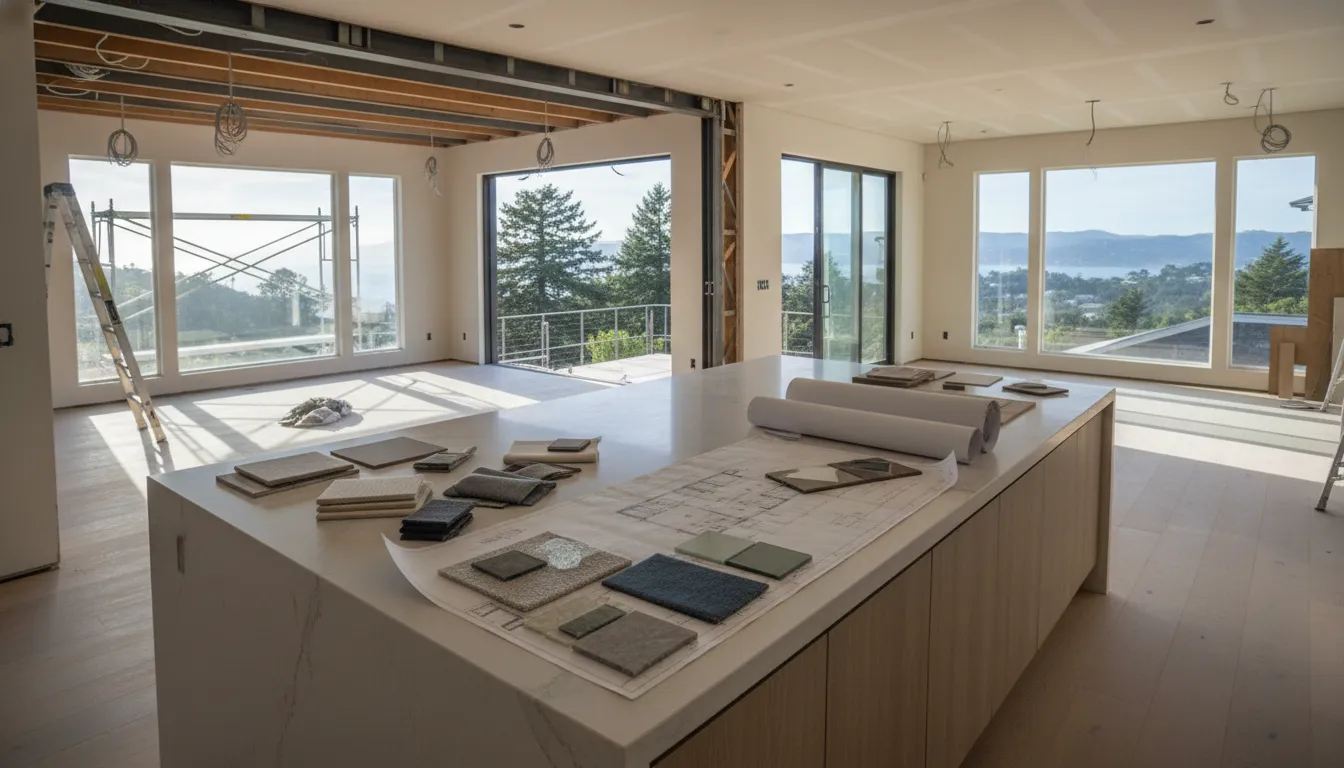
Ownership horizon and assessment questions
A homeowner planning to stay for years may weigh comfort, flexibility, and upkeep more heavily than near-term market response. A planned sale may place more focus on broadly useful layouts and a scope that avoids overbuilding. In both cases, compare the project to the property, not to a general promise of return.
Assessment rules also belong in the decision. San Francisco explains that substantial additions can qualify as assessable new construction under California property tax law. Alterations that extend a property’s economic life can qualify as well. Before setting scope, discuss design goals, permit needs, and possible tax effects with the right local professionals.
What should you bring to a design-build consultation?
Golden Heights Remodeling can make a first conversation more useful when homeowners bring their goals, concerns, existing-home information, and timing priorities. These inputs help compare remodel, addition, and new construction scopes on the same basis.
A design-build consultation works best when it starts with your real needs, not a fixed answer. If you are weighing new construction vs remodel in the Bay Area, bring notes on how your home works today. Then list what must change. This preparation makes both paths easier to compare.
Your priorities and daily pain points
Start with goals tied to daily life: more bedrooms, better kitchen flow, an office, added light, or more privacy. Note which rooms feel cramped, dated, noisy, dark, or cut off from outdoor space. These details help a design team judge whether a full remodel can solve the problem.
List features you want to keep, such as mature landscaping, a view, original details, or a familiar floor plan. Bring inspiration photos, but mark what you like in each one. If your choice may involve broad changes, compare new home construction options with the parts of your existing home worth keeping.
Documents, budget, and timing
Bring any survey, site plan, floor plan, past permit record, inspection report, or structural notes you already have. If you do not have these documents, say so. A first meeting can still show which records or site checks may be needed next.
- Budget: Your comfortable investment range and a separate reserve for unknowns.
- Timing: Your preferred start date, move-in goal, and any firm family deadlines.
- Occupancy: Notes on living in the home during work or arranging other housing.
- Priorities: A short list of must-haves, nice-to-haves, and items you can defer.
Be open about budget comfort instead of aiming for a single early number. Ask what choices drive scope, permit work, and schedule. For a San Francisco property, review the city’s guide to new construction, remodel, and repair for assessment purposes. Bring tax assessment questions to the meeting.
Questions that clarify the path
Your consultation should test each route against the same questions. Ask what can stay, what must be rebuilt, and which approvals may apply. Ask when unknown site conditions become clear. Also ask how the team will compare layout options before work starts.
- Preservation: Would remodeling preserve the most valuable parts of this home?
- New-build fit: Could a new build meet the goals with fewer layout limits?
- Approvals: What permit or planning issues should be checked first?
- Decisions: How will design changes affect budget and timeline?
- Visualization: Can 3D plans show room flow, finishes, and major options before work starts?
3D planning can make a complex choice easier to discuss. It gives homeowners a clear way to review options before choosing a direction. Ask how 3D design visualization fits into early planning for a remodel or new home.
Frequently Asked Questions
Golden Heights Remodeling answers common starting questions about new construction vs remodel Bay Area choices below. A site-specific consultation is still needed to compare scope, jurisdiction, existing conditions, and timing.
Is it cheaper to completely remodel or build new in the Bay Area?
A full home remodel commonly represents a $200,000 to $500,000-plus investment, according to Golden Heights Remodeling. New construction may cost more when it requires demolition, a new foundation, and new utility connections. However, extensive structural repairs can narrow that gap. Compare design scope, structural findings, permitting, temporary housing, and a detailed construction budget before choosing.
What are the hidden costs of new construction vs remodeling?
A complete budget should account for design, engineering, surveys, permits, demolition or selective removal, structural corrections, utility upgrades, temporary housing, contingencies, and finish selections. For assessment purposes, San Francisco includes labor, materials, permit fees, contractor overhead, and profit among construction costs, according to SF.gov. Review both paths at the same scope before comparing totals.
How do Bay Area building permits differ for remodels vs new builds?
New construction usually requires approvals for demolition, a new building, zoning compliance, site work, utilities, and current code requirements. A full remodel still needs permits for structural, electrical, plumbing, mechanical, and major layout changes. Rules vary by jurisdiction and scope. In San Francisco, substantial additions or alterations that restore a home to like-new condition can be assessed as new construction under local property tax guidance.
Does a full home remodel add as much value as new construction?
Neither path guarantees a larger return. Value depends on neighborhood demand, layout, structural condition, finish quality, energy performance, total cost, and how well the completed home suits likely buyers. A remodel can preserve a desirable location and usable structure. New construction can provide an entirely updated home. Ask a local appraiser or real estate advisor to compare likely value against each project budget.
Ready to choose the right path for your Bay Area home?
Golden Heights Remodeling helps homeowners turn a remodel-or-rebuild question into a clear first scope, grounded in the home, lot, household needs, and practical next steps for planning.
Waiting to choose between new construction and a full home remodel can keep your current space from supporting your household’s next plans and future goals. Starting now gives you time to clarify priorities, compare realistic project paths, and address planning questions before they create avoidable delays during design or construction. An early conversation also lets you weigh scope and timing with care, rather than rushing a major property decision later under time or budget pressure.
Schedule a consultation with Golden Heights Remodeling to compare remodeling and new construction options for your Bay Area property.
Ready to talk about your kitchen?
Get a free, no-pressure design consultation. We'll walk through your goals, budget, and the upgrades with the best return for your home.