
Room Addition Permits in the Bay Area: What You Need to Know Before Building
You’ve decided to build. Maybe it’s a new primary suite, a home office that actually functions, or a family room big enough for everyone to breathe. Adding a room to your Bay Area home is one of the most valuable investments you can make, but before a single wall goes up, you’ll need to navigate the local permitting process. In the Bay Area, that process varies significantly depending on which county you’re in, and skipping steps or underestimating timelines can stall your project for months and cost you far more than you planned.
Planning a room addition? Get a free consultation from Golden Heights Remodeling today.
This guide covers room addition permits in Contra Costa, Alameda, and Marin counties, the jurisdictions where Golden Heights Remodeling works most often. We’ll walk you through what permits are required, what the approval timelines look like, the most common plan check problems we see, setback rules to know upfront, and the practical steps that keep projects on schedule.
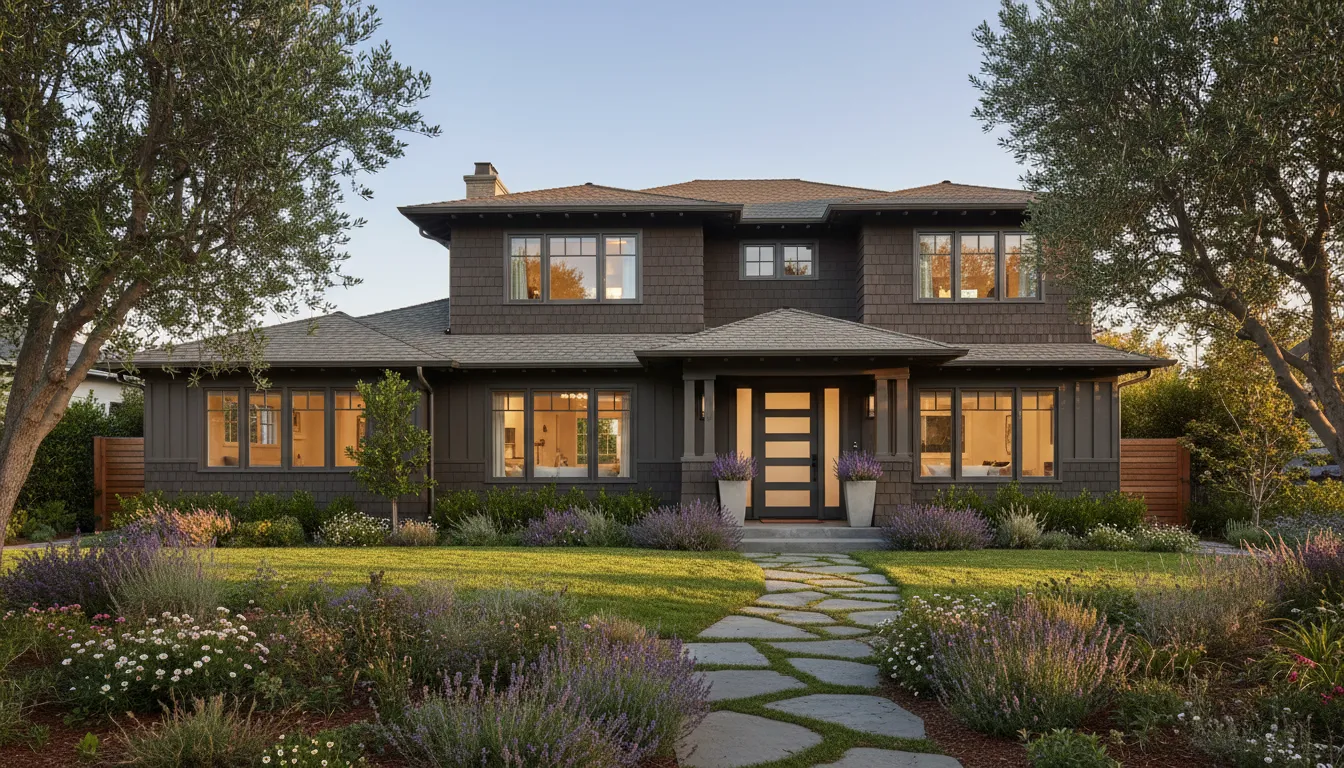
Why Permits Matter for Room Additions in the Bay Area
No Bay Area room addition is permit-exempt. Once you expand a home’s footprint, enclose new conditioned space, or alter structural elements, you are required by California Building Code, and by each county’s local amendments, to pull a building permit. Permits protect you legally, ensure the work is inspected for safety, and preserve your ability to sell or refinance the home without complications. Unpermitted additions are a red flag to every buyer and lender in this market.
Beyond the building department, additions often require sign-off from the Planning Division (for zoning compliance), Public Works (if you’re near a road easement), or a Fire Marshal (for certain second-story projects or properties in Wildland-Urban Interface zones). An experienced general contractor will map all the required approvals before design begins, not after.
Contra Costa County: Room Addition Permits, Timelines, and What to Expect
Contra Costa County is Golden Heights Remodeling’s home base and the jurisdiction we navigate most frequently. The Department of Conservation and Development (DCD) handles all unincorporated county permit applications through its ePermit Center. Incorporated cities like Concord, Walnut Creek, and Danville have their own building departments, but follow the same California Building Code with local amendments.
What You’ll Need to Submit
For a room addition in Contra Costa County, a complete submittal package typically includes:
- Architectural plans: site plan, floor plans, exterior elevations, and sections showing the addition in context with the existing structure
- Structural plans and calculations: required for any addition with new footings, shear walls, or roof framing
- Title 24 energy calculations: mandatory for any new conditioned space in California
- CALGreen documentation: California’s mandatory green building standards apply to additions over certain thresholds
- MEP drawings: mechanical, electrical, and plumbing plans if the addition includes new systems
Plans must be a minimum of 11″ x 17″, though most addition projects require 24″ x 36″ for legibility. Submissions go through the county’s ePermit online system.
Approval Timelines in Contra Costa
After submission, the DCD completes an initial completeness review in approximately 4 to 5 business days. Once accepted, plan review begins. For a typical ground-floor room addition:
- Initial plan check: 3 to 6 weeks from a complete submittal
- Correction rounds: each resubmittal adds 2 to 4 weeks, depending on complexity and backlog
- Total permit timeline: 6 to 14 weeks is realistic for most residential additions
Second-story additions, projects in hillside zones, or those requiring Planning approval run longer. If your project is in an HOA community, add 2 to 6 weeks for architectural review, and sequence that process to run parallel with the county review, not after it.
Setback Requirements in Contra Costa
Setbacks define how close a structure can come to property lines. In unincorporated Contra Costa County, single-family residential zones typically require:
- Front yard: 20 feet minimum
- Side yard: 5 to 10 feet, depending on the zoning district and lot width
- Rear yard: 15 to 20 feet, though specific zones vary
Incorporated cities often have stricter or more nuanced setback rules. Concord, for instance, requires a 5-foot side setback in most R-1 zones, while Danville’s hillside overlay districts carry additional height and envelope restrictions. Always verify the exact setback for your parcel with the city or county planning department before finalizing your design. Encroaching on a setback line requires a variance, which adds months of discretionary review to your timeline.
Alameda County: Room Addition Permits in Oakland, San Ramon, and Berkeley
Alameda County’s Building and Planning Department handles permits for unincorporated areas, while major cities (Oakland, San Ramon, Berkeley, and Fremont) each operate independent building departments. The rules are largely consistent with California Building Code, but local amendments and review timelines vary meaningfully.
Oakland
Oakland’s Bureau of Building covers a wide range of project types and has made strides in online permitting, but realistic plan check timelines for room additions run 8 to 12 weeks for a first submittal. Complex additions or properties in special planning districts, such as the Hills area or a historically designated neighborhood, can extend this significantly. Oakland also requires separate Planning Bureau review for any exterior modification that changes a home’s footprint or height.
Oakland applies California’s default setback standards in most single-family zones (R-1): 20 feet front, 5 feet side, 15 feet rear. Properties in hillside zones are subject to additional grading and fire review. If you’re considering a room addition in Oakland, budget extra time for the Planning Bureau review step.
San Ramon
San Ramon has historically been one of the more efficient building departments in the East Bay, with first-round plan check turnarounds often in the 4 to 8 week range for straightforward additions. The city’s high-income tech-professional demographic translates to a high volume of addition projects, and the department has invested in streamlining residential review. That said, large additions or projects near open space buffers may trigger additional environmental review.
Berkeley
Berkeley has some of the most complex residential permitting in the East Bay. The city’s Zoning Adjustments Board (ZAB) may need to weigh in on additions that exceed envelope limits, and the historic nature of many Berkeley Hills and Elmwood-area homes can require Historic Preservation review. Budget 10 to 16 weeks for a typical addition permit in Berkeley. The city’s commitment to sustainability also means additional green building requirements beyond the state baseline. Our team handles Berkeley permitting regularly as part of our design and planning services.
Setback Rules in Alameda County
Setbacks across Alameda County cities generally mirror California defaults in R-1 zones, but exceptions matter. Berkeley’s minimum side setback is often 4 feet but varies by lot width. Oakland’s hillside overlay zones restrict coverage ratios as much as setbacks. San Ramon’s planning code is relatively consistent with county standards. Always pull a zoning compliance report from the city planning department before committing to a design.
Marin County: Room Addition Permits in a Premium, Complex Market
Marin County has a well-earned reputation for thoughtful, rigorous land use review. The county’s Community Development Agency (CDA) handles building and planning for unincorporated areas, which covers a large portion of the county outside of Novato, San Rafael, and Mill Valley’s city limits.
Planning Review Is Often Required
Unlike some Bay Area jurisdictions where Planning review is only triggered by unusual circumstances, Marin County frequently requires a Design Review or Administrative Review for room additions that affect the exterior of a home. This is partly driven by the county’s commitment to preserving neighborhood character and visual compatibility in scenic corridors. Projects near ridgelines, wetlands, or coastal zones may also trigger environmental review under CEQA.
This means a Marin addition often involves two sequential (or parallel) approval tracks: Planning approval, then Building permit. A realistic end-to-end timeline for many Marin County additions is 4 to 8 months from initial submittal to permit issuance, longer than most homeowners anticipate. For Marin projects, engaging our team early in pre-application planning helps surface constraints before you’ve invested in design work.
Marin County Setback Requirements
Marin County residential setbacks in unincorporated single-family zones are typically:
- Front yard: 20 to 25 feet
- Side yard: 5 to 10 feet (often a combined minimum of 15 feet for both sides)
- Rear yard: 20 feet
Many Marin parcels are smaller, more irregularly shaped, or subject to special overlay zoning due to the county’s topography. Hillside zones, fire hazard severity zones (WUI), and stream corridor setbacks further constrain what can be built and where. A pre-application meeting with Marin CDA is often the smartest first step before investing in design work; it surfaces constraints early before you’ve spent money on plans that can’t be approved.
Fire Safety Compliance in Marin
A significant portion of Marin County falls within a High or Very High Fire Hazard Severity Zone. Additions on these properties must comply with California’s SB 9 fire hardening standards: ignition-resistant siding, Class A roofing, ember-resistant vents, and dual-pane windows with specified glazing. These requirements add to material costs but are non-negotiable and must be reflected in the permit drawings.
Common Plan Check Issues That Delay Bay Area Room Additions
After reviewing hundreds of building permit applications in Contra Costa, Alameda, and Marin counties, we’ve seen the same problems come up again and again. Avoiding these is the fastest way to shorten your timeline.
1. Incomplete Energy Calculations
Title 24 energy compliance documentation is required for every new conditioned space in California. Incomplete or outdated calculations are one of the top reasons for plan check corrections. Make sure your energy consultant is using the current performance compliance software and that the calculations match the architectural plans exactly; window sizes, insulation R-values, and HVAC specifications must all align.
2. Missing Structural Details
Plan checkers in all three counties will send additions back for missing or unclear structural details. Common gaps include: inadequate shear wall design, missing hold-down hardware specifications, unclear footing details for the addition’s slab or pier foundation, and omitted lateral analysis for second-story projects. A licensed structural engineer who is familiar with California seismic requirements (not just generic templates) will save you multiple correction rounds.
3. Setback or Lot Coverage Violations
Additions that encroach on setbacks or push lot coverage past the allowable percentage are rejected outright and require a redesign. This is avoidable with a thorough zoning compliance check before design begins. The lot coverage limit (the percentage of the lot that can be covered by structures) is often stricter than homeowners assume, especially on smaller infill lots and in Marin County.
4. Scope Creep During Construction
Sometimes a project starts as a room addition but evolves to include electrical panel upgrades, new HVAC equipment, or reconfigured plumbing. Each change needs to be reflected in permit amendments, and unapproved changes discovered during inspections trigger stop-work orders. Communicate every scope change to your contractor and submit amendment applications before the work is done, not after.
5. Outdated Plans
California updates its building codes on a rolling cycle. Submitting plans that reference outdated code editions, common when homeowners recycle old design drawings, triggers corrections before plan review even begins. Your permit set should reference the current California Building Code cycle (2022 CBC as of 2025, with the 2025 update cycle underway). Our design and planning team ensures every submittal references the current code edition.
How to Avoid Costly Permit Delays: A Practical Room Addition Timeline
The most successful room addition projects in the Bay Area share a common thread: the permit process is treated as Phase 1, not an afterthought after the contractor has been hired. Here’s what a proactive timeline looks like:
- Months 1 to 2: Zoning compliance review, preliminary design, HOA pre-approval (if applicable), and pre-application meeting with the planning department
- Months 2 to 4: Complete permit drawings, structural engineering, energy calculations, and full plan set preparation
- Month 4: Submit permit application
- Months 4 to 7: Plan review, corrections, resubmittals (timeline varies significantly by jurisdiction)
- Month 7 to 8: Permit issued; construction begins
- Months 8 to 12: Construction with scheduled inspections at each phase
For Marin County or complex Oakland projects, add 2 to 3 months to the permit phase. Planning ahead is not optional; it is the only way to control costs in a Bay Area room addition project.
The Role of Your General Contractor in the Bay Area Permit Process
A licensed Bay Area general contractor does more than manage construction. For room additions, the contractor’s permit expertise directly affects your project timeline and budget. Our room addition services at Golden Heights Remodeling include:
- Pre-design zoning and setback analysis for your specific parcel
- Coordination with architects, structural engineers, and energy consultants
- Permit application assembly and submission
- Responding to plan check corrections
- Scheduling all required inspections throughout construction
Our California General Contractor License (#1068868) and 20+ years of experience in Contra Costa, Marin, and Alameda counties means we know how each jurisdiction thinks, what plan checkers in each department look for, and how to structure a submittal that moves through review efficiently. We’ve built room additions in Walnut Creek, Oakland, Marin, Concord, and throughout the greater Bay Area, and we use that county-by-county knowledge to keep your project on schedule. We also manage ADU construction projects that follow a similar permitting pathway.
Frequently Asked Questions: Bay Area Room Addition Permits
Do I always need a permit for a room addition in the Bay Area?
Yes. Any project that adds new conditioned living space, modifies the structure of your home, or extends the building’s footprint requires a building permit in all Bay Area jurisdictions. There are no de minimis exemptions for room additions.
How long does a room addition permit take in Contra Costa County?
A typical ground-floor addition in Contra Costa County takes 6 to 14 weeks from a complete submittal to permit issuance. Complex projects, second-story additions, or those requiring Planning approval will take longer.
What causes the most permit delays in the Bay Area?
Incomplete plan sets are the leading cause of delays. Missing structural calculations, incomplete energy compliance documentation, and plans that don’t accurately reflect proposed setbacks or lot coverage account for the majority of plan check corrections across all three counties.
Can I pull my own permits for a room addition in California?
California law allows owner-builders to pull permits for work on their primary residence. However, the permit holder is personally responsible for code compliance, and a homeowner who pulls permits without a licensed contractor often lacks the insurance coverage and technical expertise to manage complex inspections. For room additions, working with a licensed general contractor is strongly recommended.
What are the setback requirements for a room addition in Marin County?
Typical single-family setbacks in unincorporated Marin County are 20 to 25 feet front, 5 to 10 feet side, and 20 feet rear; these vary significantly by zone and parcel. Always verify setbacks for your specific APN with Marin CDA before finalizing design.
Ready to Start Your Bay Area Room Addition?
The Bay Area permit process for room additions has real complexity, but it is absolutely navigable with the right team and the right preparation. The homeowners who avoid costly delays are the ones who engage a knowledgeable contractor early, before design is locked and before expectations about timeline are set.
Golden Heights Remodeling offers free initial consultations for Bay Area room addition projects. We’ll review your property, assess zoning constraints, and give you an honest assessment of what the permit process will look like for your specific situation.
Ready to talk about your kitchen?
Get a free, no-pressure design consultation. We'll walk through your goals, budget, and the upgrades with the best return for your home.