
Eichler Home Remodel Bay Area Planning Guide
Preserving the glass walls, exposed beams, and open layout is the central challenge of an Eichler home remodel Bay Area homeowners can enjoy for decades. Standard renovation methods can hide the features that make these mid-century homes special, while a preservation-led plan improves comfort, function, and energy performance without erasing the original design.
Schedule an Eichler remodeling consultation with Golden Heights Remodeling.
An Eichler home remodel Bay Area requires an expert design-build approach to protect the unique post-and-beam frame while upgrading systems for modern performance. Successful projects focus on keeping iconic features like floor-to-ceiling glass walls and mahogany panels while adding new HVAC, insulation, and updated kitchens. Owners often need to fix specific technical problems, including radiant heating repairs or adding smart double-pane glass without altering the thin roof lines. The Eichler Network notes that this flexible build system allows houses to evolve over time to meet new market demands without losing their classic feel. By using 3D tools and a dedicated manager, you can ensure your remodel preserves the high-quality space Joseph Eichler intended. This careful planning helps homeowners find a balance between historic preservation and modern comfort in areas like Marin or Contra Costa.
Updating a classic mid-century home requires many choices about style, cost, and modern needs. You must understand the technical problems of these unique homes before you pull a permit. To help you plan your project, our expert team will first explore What makes an Eichler remodel different? The path begins with
Eichler Home Remodel Bay Area: What makes an Eichler remodel different?
Eichler homes are famous for their thin lines and open feel. When you start an Eichler home remodel in the Bay Area, you must respect the first design. These houses do not use normal walls to hold up the roof. But they rely on a post-and-beam frame. This style allows for large glass walls and floor plans that stay open. Any change to the home must protect this core frame to keep the building safe and nice.
Protecting the post-and-beam skeleton
The post-and-beam system is the key part of an Eichler home. This way allows for quick builds and open spaces because it does not need many load-bearing walls inside. Most owners want to keep this look while fixing their systems. Using 3D tools can help you see how new plans fit with the old beams. This ensures that your project stays true to the mid-century look while meeting your needs today.
Fixing these homes requires careful planning. You should focus on keeping the old parts and features whenever you can. Per the National Park Service, you should protect and maintain unique features before you think about changing them. This helps keep the value of your home high. It also keeps the high-quality living space that Joseph Eichler first built.
Updating the slab and roofline
Eichler homes sit on a concrete slab that often holds a radiant heat system. This slab is part of the floor, so you cannot easily move pipes or wires. When you plan a kitchen or bath update, you must work around these old lines. The low-slope roof is also a challenge. It does not have an attic for ducts or insulation. You must use slim parts to keep the flat roofline while making the home stay warm or cool.
Managing glass and light
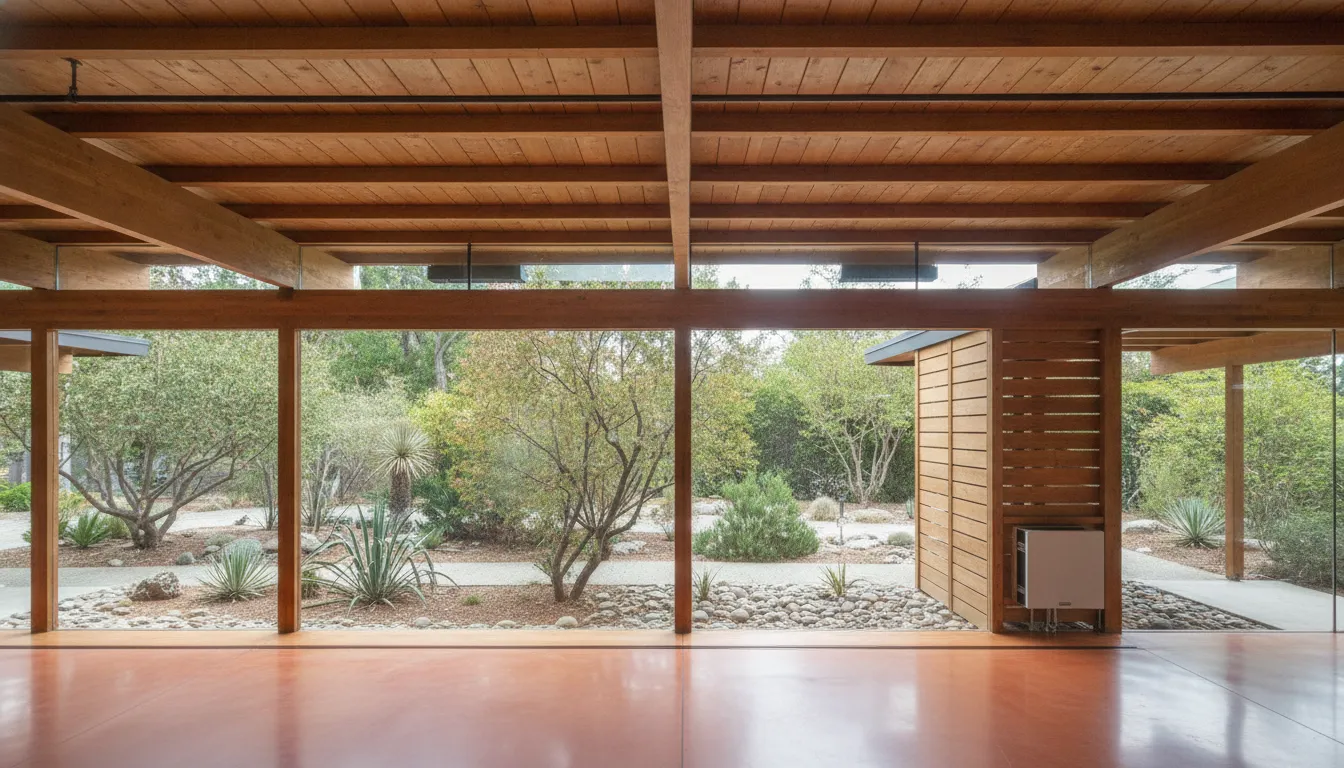
Eichler homes use large floor-to-ceiling glass walls to let in light. These windows create a strong link between the inside and the outside world. But old glass can be thin and cold in the winter. Fixing the panes is a common goal for many owners. You can replace old glass with energy-saving panes that keep the house warm. This change helps your home feel better while keeping the thin frames that define the look.
Preserving the indoor-outdoor flow
The plan of an Eichler often centers on an atrium or a backyard view. This indoor-outdoor flow is a key part of the design. When you change the plan, you must keep this link clear. Moving a wall or adding a room can block the light or ruin the view if you are not careful. A planning session with a pro can help you map out these changes. They will ensure your new space feels like a real part of the first home.
How should you plan an Eichler home remodel in the Bay Area?
Planning an Eichler home remodel Bay Area project starts with clear goals. These mid-century homes use a post-and-beam method that offers great floor plan flexibility but needs a soft touch. You must balance new updates with the classic glass walls and open spaces that define the style.
Set your project goals
First, decide what parts of your home need the most work. Most Eichler owners focus on kitchen updates, bathroom refreshes, or energy gains. Since these houses often have radiant heat and flat roofs, your Bay Area remodeling checklist stage should fix these core systems early. Clear goals help you stay on budget and keep the work on track.
Consult with local experts
Working with a design-build firm is often the best choice for a coordinated whole-home renovation. These pros know how to save original character-defining materials while adding new features. They can also show you 3D views of your new space before any work starts. This step helps you see how new designs will look next to the home’s old post-and-beam frame.
- Check current conditions. Look at the state of your roof, windows, and floor heat pipes. Eichlers often need special care for these parts before you start any visual changes.
- Create a design. Work with your team to make plans that respect the home’s past. Use 3D tools to test different floor plans or window spots.
- Get the right permits. Bay Area cities have strict rules for home changes. Your contractor should handle the forms to ensure your project meets all local building codes.
- Pick your materials. Choose finishes that match the mid-century look, such as wood panels or simple floor tiles. It is best to buy these items before work starts to avoid any slow downs.
- Set a budget. Add a fund for costs you did not expect. Large projects often range from $15,000 to $150,000 or more, so a safety fund is a smart move.
Updating kitchens and bathrooms without losing the character
The best Eichler kitchen and bathroom updates improve daily function while preserving open sightlines, restrained finishes, and the home’s indoor-outdoor relationship. Plan plumbing changes around the radiant slab, select materials that complement warm wood and glass, and test layouts before construction so the finished rooms feel original to the house rather than added later.
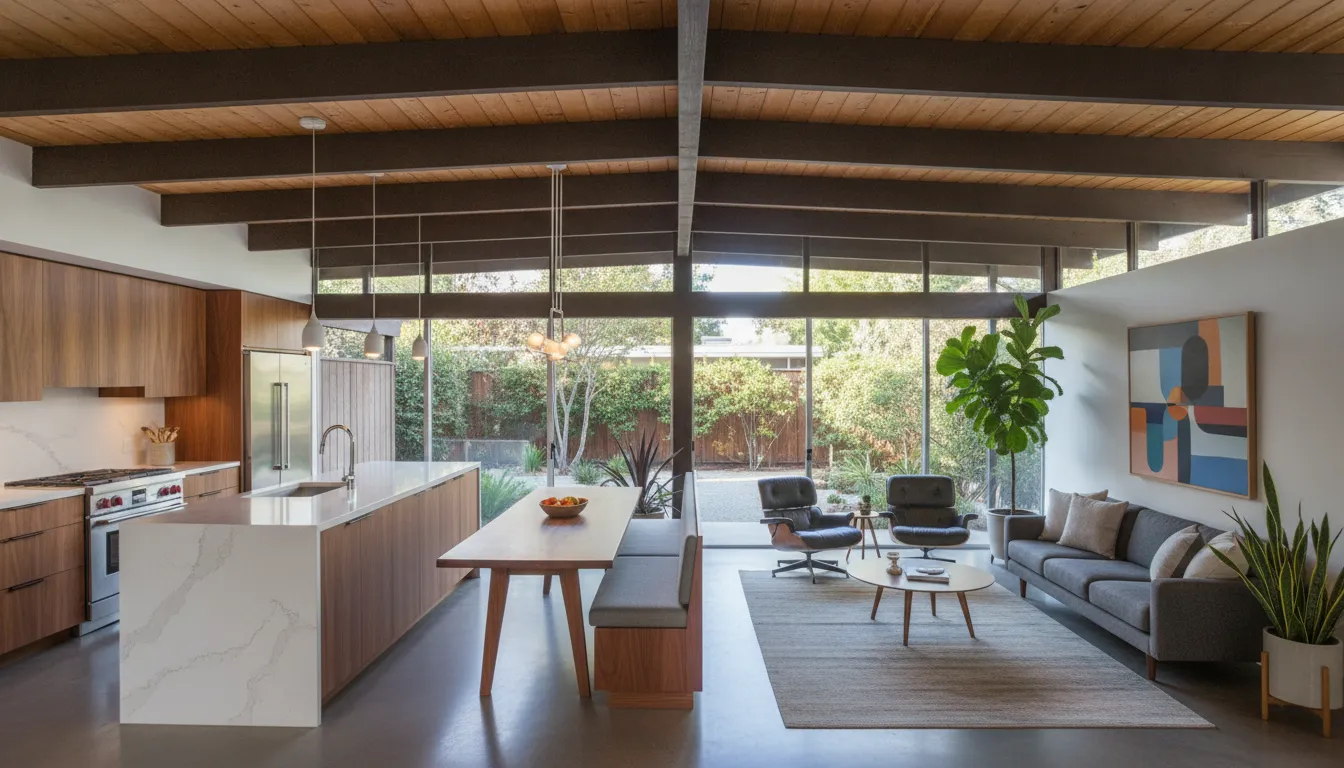
Updating a kitchen or bathroom is often the first step in an Eichler home remodel Bay Area families start. These rooms get the most use, so they need to work well. But in a mid-century home, you must be careful. You want new tools and style without losing the soul of the house. The goal is to blend high-quality living with the original design.
Designing for open floor plans
Eichler homes are known for their open floor plans and post-and-beam construction. This method allows for interior plan flexibility. When you update the kitchen, you should keep the sightlines open. Many owners like to see from the kitchen through the living room to the backyard. This flow is a key part of the mid-century look.
Our design-build model helps ensure these changes respect the design of the house. We use 3D tools to show how new layouts will affect the feel of your home before any walls come down. This helps you keep the original post-and-beam character while adding modern function.
For bathroom updates, the small footprint can be a challenge. You need to use space well while keeping things simple. Clean lines and minimal trim help a small bathroom feel larger. Using light colors and natural light also makes a big difference. It is important to protect and maintain the original character of the building while you make these changes. This follows federal rules for keeping the spirit of older homes alive during a remodel.
Materials that match the style
The right materials are vital for a good remodel. Eichlers often feature exposed wood panels and large windows. You should choose kitchen cabinets that match the warm wood tones of the home. Flat-panel doors work best for this style. For countertops, simple quartz or stone gives a modern feel without being too flashy. You want the new parts of the house to look like they belong.
In the bathroom, consider using tiles that fit the mid-century era. Small mosaic tiles or larger subway tiles in muted colors are great choices. You can also add modern touches like walk-in showers with glass doors. This keeps the room feeling open and bright. It is also a good time to look at energy-efficient fixtures. New toilets and faucets save water and lower your bills over time.
Handling complex system updates
Remodeling these rooms often involves more than just looks. You may need to update plumbing, wiring, or heating systems. Eichler homes often have radiant floor heat, which needs special care. Our team provides a dedicated project manager for every job. This person handles the technical details and ensures clear updates. They make sure the work meets high standards and follows all safety rules.
Most kitchen and bathroom projects are big costs. Typical prices for full-home remodeling services range from $15,000 to over $150,000 depending on the work. It is wise to have a clear plan before you start. This helps you stay on budget and get the results you want. By focusing on both function and style, you can create a space that serves your family well for many years. You will have a modern home that still honors its unique history and charm.
Which systems and energy upgrades require special care?
Eichler system upgrades require special care because the radiant slab, low-slope roof, exposed ceiling, and glass walls leave few concealed paths for new utilities. Inspect these conditions before design is finalized, then coordinate electrical, plumbing, HVAC, roofing, and glazing decisions as one plan to avoid damaging character-defining features or reopening finished work.
Explore Golden Heights Remodeling’s whole-home remodeling approach.
When you start an Eichler home remodel Bay Area, you must look closely at the hidden systems. These homes have a unique post-and-beam build that makes standard upgrades harder. You do not have an attic or a crawl space to hide new wires or pipes. This means every change to the home’s energy or water systems needs a smart plan from the start.
Electrical and plumbing needs
Old electrical systems often need a full fix to meet today’s power needs. Since the roof is flat and the floors are slab, you cannot easily run new lines. Expert teams often use the roof or the baseboards to hide new wiring. This keeps the clean look of the wood panels and beams that make these homes special. Check old pipes for leaks too.
For any planning a complete Eichler renovation, plumbing is a top concern. Most of the pipes sit deep inside the concrete slab. If a pipe leaks, you might have to cut into the floor to fix it. A good plan will look for ways to update these lines before you finish your new floors. This prevents costly repairs later and keeps your home dry and safe.
Radiant heating and roofing
Eichler homes are famous for their radiant heat systems. These systems use hot water pipes in the floor to keep the house warm. Over time, these old copper pipes can leak or fail. Many owners choose to add new heat pumps or mini-split units for better control. These new tools also give you cooling, which old Eichler homes do not have. This makes the home much more pleasant during hot Bay Area summers.
The roof also plays a big role in your home’s energy use. Since the roof is flat, it needs a strong seal to stop leaks. When you fix the roof, it is the best time to add more insulation. Modern foam roofs can help keep your home warm in winter and cool in summer. This lowers your energy bills and makes your living space feel better all year long.
Improving home comfort
Large glass walls are a key part of the Eichler look. But old single-pane glass lets heat out fast. You can upgrade to double-pane glass that looks the same but works much better. It is vital to use thin frames to keep the old style. This helps you save energy while you enjoy the view of your yard. High-performance glass also cuts down on noise from the street.
Proper care and maintenance of these features is the best way to keep the home’s value. New fans and vents also help with air flow. Since these homes are tight, you need a way to get fresh air inside without losing heat. A design and planning team can help you pick the right tools for your own home and budget.
| Upgrade | Preservation Concern | Planning Note |
|---|---|---|
| Electrical | Exposed beams and no attic | Hide wires in roof or baseboards |
| Plumbing | Pipes buried in concrete slab | Check lines before laying new floors |
| Radiant Heat | Leaky old copper pipes | Consider new mini-split systems |
| Flat Roof | Low slope and leak risks | Add foam insulation for energy gains |
| Glazing | Large glass wall style | Use thin frames with double panes |
Common Eichler remodel constraints to address early
The most important Eichler remodel constraints are the slab-embedded utilities, aging radiant heat, low-slope roof, exposed post-and-beam structure, and long lead times for custom glazing. Address them during preconstruction, not after demolition. Early investigation gives the design team time to protect original features, coordinate permits, and build realistic allowances into the schedule and budget.
Most Bay Area Eichler homes share a unique design that brings clear hurdles for any project. These mid-century gems often lack a crawlspace or attic, as they sit directly on concrete slabs. This layout means your plumbing and power lines are likely buried in the slab itself. If you plan to move a kitchen sink or a toilet, you must cut into the concrete. This step adds time and cost to your Golden Heights Remodeling’s full-home service effort.
Radiant heat is another key factor to check. These homes use copper pipes in the floor to warm the rooms. Over decades, these pipes can leak or fail. If you want to keep the radiant system, you must be very careful when you drill into the slab for new walls or floors. Many owners choose to switch to modern HVAC systems, but the flat roof and thin walls make it hard to hide new ductwork.
Challenges with slab systems and radiant heat
Managing systems in a home with no attic or crawlspace requires a smart plan. You cannot just run new wires through the ceiling if you have exposed wood panels. This constraint means your planning phase must account for every wire and pipe from the start. A skilled team can help find paths through the roof or under the floor.
Modern building rules also change how we handle these systems. The National Park Service says you should protect and maintain unique parts before you make big changes. This rule helps keep the home’s value high. It also means you need to find a balance between new tech and old style.
Working with the unique structural frame
The post-and-beam frame is the heart of an Eichler home. This method allows for large glass walls and open floor plans because the walls do not hold up the roof. However, the posts and beams must stay in place to keep the house safe. If you want to move a door or open a space further, you may need a new steel beam.
These beams are often part of the home’s look. Exposed wood is a key feature that makes these houses feel high-end. Using a design-build model helps you see how new frame parts will look before work starts. You can use 3D tools to check that new beams do not ruin the mid-century vibe.
Planning for modern glass and roofs
The thin roof and large glass walls of an Eichler are stunning but hard to keep warm. Many owners face high power bills because of the low-slope roof. To fix this, you might need a thick foam roof or new triple-pane glass. Both options are heavy and may need more support for the frame.
You should also think about lead times for parts. Custom glass for large walls can take months to arrive. To avoid delays, start your design phase early. Working with an assigned project manager ensures your project stays on track even with complex supply needs.
A concise preconstruction checklist
A practical Eichler preconstruction checklist covers existing drawings, structural conditions, radiant slab testing, roof and glazing assessment, permit requirements, design priorities, material lead times, and contingency planning. Completing these checks before construction helps homeowners make informed tradeoffs, prevents avoidable change orders, and keeps preservation goals visible throughout the project.
Planning a successful Eichler home remodel Bay Area project starts long before the first wall comes down. These iconic mid-century homes need a clear path. You must balance modern comfort with old style. Starting with a whole-home remodel planning guide guide helps you set goals and avoid common mistakes. A solid checklist ensures you cover every detail.
Check your records and structure
First, find the old plans and records for your home. Eichler homes use a unique post-and-beam frame. This style makes it easy to change the floor plan. Before you start, find a pro to check the strength of these beams. The National Park Service says that protecting historic features is the best way to keep the home’s value. This review helps you decide what to keep and what to fix.
Look at systems and permits
Eichler homes have unique traits like radiant floor heat and flat roofs. Check these parts early to see if they need repairs. A whole-home project planning plan should map out the path for city permits. Getting your paperwork in order early prevents slow-downs later. You also need to set a clear list of work for your builder to avoid high costs. Your checklist should include the following items.
- Check the strength of all posts and beams.
- Test the floor heating system for leaks.
- Plan for new wires and pipes.
- Review local city and permit rules.
- Set a firm timeline with a clear end date.
Final design and updates
Once you know the state of your home, you can pick your new items. Using 3D tools lets you see how your choices look before you buy them. This step is key for keeping the mid-century look. You also add modern style. Set up a clear way to get updates from your team. A project manager can help keep the job on track. Always keep a backup fund of ten to fifteen percent for extra costs.
What should you ask an Eichler remodeling contractor?
Ask an Eichler remodeling contractor how the team will protect the post-and-beam frame, work around the radiant slab, coordinate roof and glass upgrades, manage permits, and communicate changes. Strong answers should explain the investigation and design process, identify who owns day-to-day coordination, and show how preservation priorities will guide construction decisions.
Finding the right help for your Eichler home remodel Bay Area is key to a good result. These mid-century homes need a soft touch and deep knowledge. You should ask specific questions to find out if a builder knows how to handle these unique structures. A good pro will explain their process in plain terms.
Past work with post and beam design
Ask if they have worked on post and beam homes before. This build method uses heavy wood beams to hold up the roof. It lets the home have open floor plans and big glass walls. A builder must know how to keep these parts safe. If they do not, they might hurt the look of the home. You want a team that understands how to protect these character-defining features during the work.
Ask for a list of past Eichler jobs they have done. Look for a team that uses a full design-build model. This path helps keep the design and the build in one place. It is the best way to keep the home true to its roots. You can also ask about 3D views. These tools let you see the plan before the tools come out.
Managing slab and roof systems
Eichler homes have unique systems that need care. Most of these houses use a concrete slab with heat pipes inside. Ask how they plan to handle any floor or pipe work. You should also ask about the roof. Flat roofs need special seals to stay dry and warm. A contractor should have a clear plan for these parts of the job.
You can use these questions to vet a team.
- How will you protect the wood panels and beams?
- What is your plan for fixing or moving floor heat pipes?
- Do you have a set way to seal a flat roof?
- How do you keep the glass walls safe during construction?
Project flow and clear costs
Ask about the team you will work with each day. You should have one person to talk to about the job. A project manager helps keep the work on track. They also make sure you stay in the loop. Good preconstruction planning resource can save you time and money. Ask how they handle change orders if the plan needs to shift.
Ask about how they handle allowances for things like tile or lights. These are set sums of money for parts of the job you have not picked out yet. A good team will give you a fair range so you do not have big surprise costs later. You should also ask how they protect the house during the build. Eichler homes have lots of glass and wood that can be hard to fix if hit. Make sure they plan to cover floors and wrap beams while they work.
Make sure to ask about permits and rules in your city. A local expert will know how to get the right papers. They should also be licensed, bonded, and insured. This keeps you and your home safe. Ask if they offer a firm price or if costs might change. Knowing this now prevents stress later in the project.
Frequently Asked Questions
How much does an Eichler home remodel cost in the Bay Area?
Remodel costs vary based on the work you want done. For areas like kitchens and bathrooms, most prices range from $15,000 to over $150,000. Whole home projects can cost much more. Factors like high labor rates and part costs in the Bay Area play a large role in your final price. It is wise to set a clear budget early in your plan to avoid surprises.
How can I find experienced Eichler remodel contractors in the Bay Area?
Finding the right team is key to a good result. You should look for licensed and insured builders who have worked on mid-century homes before. Companies like Golden Heights Remodeling serve areas like Contra Costa and Marin. They offer a project manager for every job. This helps ensure clear talk and high quality during your remodel. Always check for a valid license before you sign a contract with a builder.
Does a design-build model help keep an Eichler home’s original look?
Yes. A design-build model is a great choice for these homes. It puts planning, design, and building under one roof. This helps keep the original look of the house during big changes. You get to work with one team that knows your goals from start to finish. This leads to fewer mistakes and keeps the home’s unique frame style safe. It also makes the whole process much smoother for the home owner.
Can an Eichler home be updated for today’s market?
Updating an Eichler home is very possible. These houses were built to be flexible. As shown by the Eichler Network, the design allows homes to grow over time. You can add new tech and better energy systems without losing the classic mid-century feel. This balance helps keep your home useful for today’s life while also holding its value. It is all about making smart choices that respect the original plan of the house.
Ready to update your Eichler home while keeping its classic soul?
Waiting to start can lead to higher costs as prices for parts and labor rise each year. As time goes by, old systems might fail or lose the power to save you money on bills. Starting now means you can enjoy a cozy space sooner and avoid high costs later on. We offer full home remodeling to keep your classic look while adding new tools. We handle every step from the first plan to the very end so you do not worry. Your dream home is just one click away when you choose our pro team today.
Ready to schedule a consultation? Schedule a consultation to talk to a pro today.
Ready to talk about your kitchen?
Get a free, no-pressure design consultation. We'll walk through your goals, budget, and the upgrades with the best return for your home.