
Renovating a Bay Area home without updating your policy creates a dangerous gap in coverage. You might spend thousands on a dream kitchen only to find it is not fully protected.
Ready to start? Schedule a free consultation with Golden Heights Remodeling today to discuss your project scope and coverage needs.
Many homeowners forget about their policy until a problem occurs on the job site, but talking to your agent helps you stay safe. Learning Why Homeowners Insurance During a Remodel is Essential is the best way to plan your project, starting with professional design and planning. This path begins with…
Homeowners Insurance During Remodel: Why Homeowners Insurance During a Remodel is Essential
Updating your homeowners insurance during remodel work is the only way to protect your home’s value. Most standard plans do not cover the extra value that a luxury kitchen or room addition adds to your house. If a fire or leak happens while you build, you might have to pay for the repairs yourself. You must call your agent to raise your limits before the work starts. This step keeps you safe from high costs if the new part of your home gets hurt during the job. The Insurance Information Institute says your plan must cover the full cost of rebuilding the improved home. Taking this time now will save you from major stress later if something goes wrong.
A home remodel adds value to your house. But many people forget one key step. You must check your homeowners insurance during remodel work. Basic plans often do not cover the full cost of a big project. If you do not update your plan, you could lose a lot of money if things go wrong.
Protection for your home
When you add a new room or fix a kitchen, your home is worth more. Most basic insurance plans have a limit on how much they pay out. This limit is based on what your house was worth before the work started. You should tell your agent about the work before you start outlining your renovation goals. This makes sure you have enough coverage for the new value of the building.
If a fire or storm hits during the build, you want to be sure you can fix the new parts. Without the right coverage, you might have to pay for the work out of your own pocket. The Insurance Information Institute says you should call your agent to raise your limits before building begins. This protects the new structure if it is damaged while the work is still going on.
New risks on the site
Building zones bring new risks to your land. There are tools, heavy gear, and more people on your site. This increases the chance of a bad fall or a hurt worker. You need to know if your policy covers these events. If a worker gets hurt and the builder does not have the right insurance, you could be at fault. This is why checking your policy is a vital part of handling your remodel project well.
Always ask your builder for proof of their own insurance. They should have a plan that pays for their workers if they get hurt on the job. If they do not, a hurt person might sue you for their health bills. You may also need more help with legal costs if someone else gets hurt on your site. A quick talk with your insurance company can help you find these gaps before the first nail is driven.
Future plan updates
Your needs will change once the work is done. You might buy new chairs, a big TV, or new rugs for the space. Also, a big change to the house can change your monthly bill. It is better to know the new cost now than to be surprised later.
Keep a close eye on the total value of your home as the project grows. This means the bank or insurance firm might not pay the full cost to rebuild if the whole house is lost. Staying on top of your coverage is the best way to keep your home and your wallet safe.
Do I Need to Inform My Homeowners Insurance Company About a Renovation?
Yes, you must notify your insurance company before starting any home renovation. Standard policies do not automatically cover the increased value of remodeled spaces. And failing to inform your insurer can lead to denied claims if damage occurs during or after the build.
You must tell your insurance agent before you start any home work. This step is a big part of planning your home remodel the right way. Telling your insurer helps you get the right coverage during and after the job. If you do not tell them, you may be underinsured. This means you might not have enough money to fix your house if an accident happens during the build.
Keep your policy up to date
Adding a room or a new kitchen makes your house worth more. You need to raise your policy limits to match this new value. The Insurance Information Institute says you should contact your agent before or just after work starts. This ensures you can rebuild the structure if it is lost or hurt. If you skip this, your plan might only pay for the old version of your home.
Major home changes also affect your dwelling coverage. This is the part of your plan that pays to fix the house itself. When you add square feet or use high-end goods, the cost to rebuild goes up. Your agent can help you find the right amount of coverage for these new parts. This keeps your money safe from the start of the job to the end.
You should also think about the things you own. New chairs, tools, or gear can add up fast. You may need to raise your limits for these things as well. Keep your receipts and add them to your home list. This makes it easier to file a claim if you need to do so after the work is done.
Stop claims from being denied
If you do not tell your insurer, they may deny your claim later. Basic plans might not cover the risks of big building jobs. In one case, if a fire happens during construction, the firm may say the risk was too high. You should check if you need extra protection for long projects. This is often called builder’s risk insurance.
Building sites are busy spots with big machines and sharp tools. These things create more risk for your home and the people on your land. A basic plan is for a house where people live, not a work site. Telling your firm about the work allows them to adjust your plan. It gives you peace of mind that you are covered for any surprise events.
Protect yourself from liability
Always ask to see your contractor’s insurance papers. They should have workers compensation and liability coverage. This stops you from being sued if a worker gets hurt on your land. If a contractor does not have the right plan, you could be held liable for their bills. This is a big risk that can cost you a lot of money.
Some small workers might not have their own coverage. You may need to fill these gaps by raising your own liability limits. This is a smart move if friends or family help with the work. As a pro firm, Golden Heights Remodeling stays fully insured to keep you safe. You can book a consultation with our remodeling specialists to talk about your safe project today.
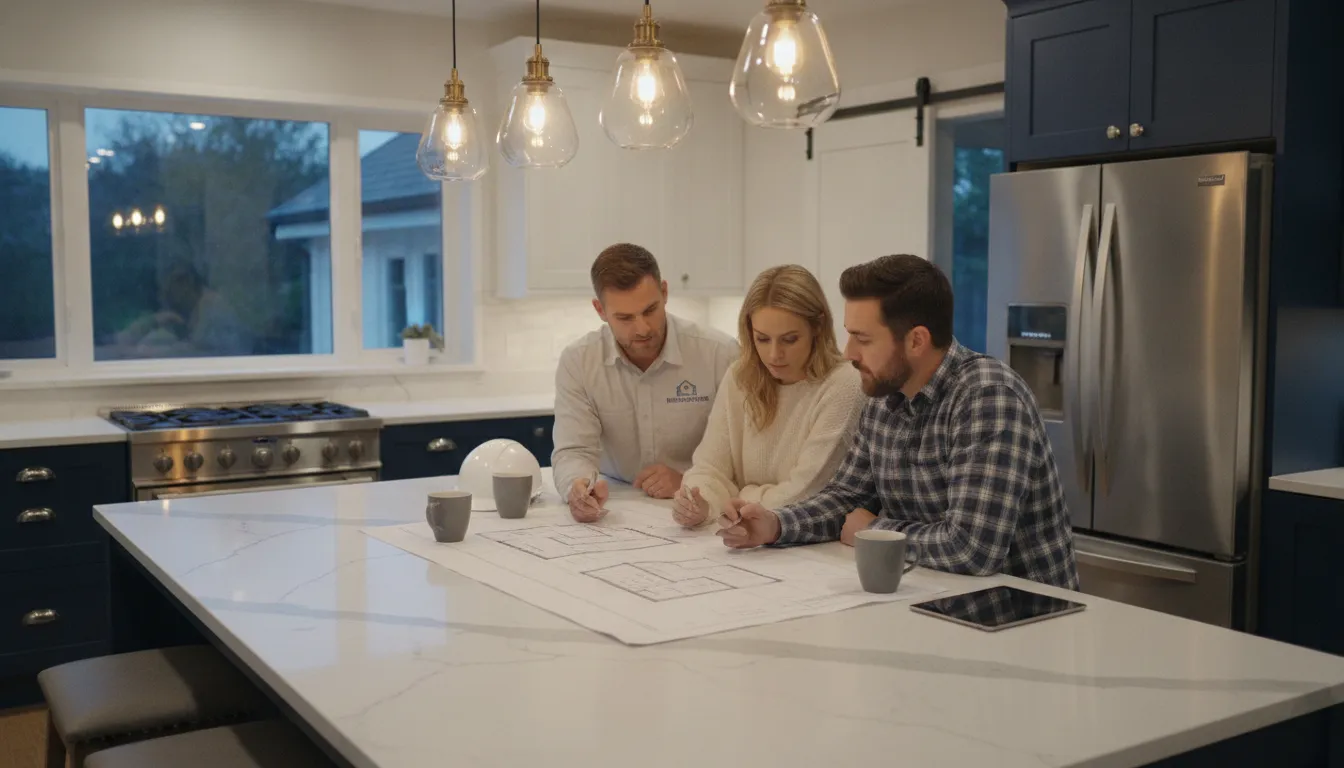
Evaluating Your Contractor: General Liability and Workers’ Comp
Never hire an uninsured contractor. Ensure your remodeling team has valid general liability insurance (minimum $1 million) and workers’ compensation coverage to protect you from personal financial liability in case of property damage or worker injuries on your property.
Hiring a pro is a big step when you plan a full home remodeling project. You must check their papers before any work starts. This protects your money and your home. It also helps you manage your homeowners insurance during remodel projects. A safe project starts with a team that follows all state rules. You should never skip this step when you look for a team in the Bay Area.
Checking your contractor’s license and bond
Every pro in California must have a valid license. This shows they know the building codes and local laws. You can check a license number on the state board website to be sure. For example, Golden Heights Remodeling holds license #1068868. This number proves they are a real business that follows the law. A bond is also key. It gives you a safety net if the job is not finished or done wrong. It acts as a promise that the team will meet their contract.
Checking these facts is a key part of managing your renovation project. A licensed team follows safety rules that keep your home secure. It also makes it easier to talk to your insurance agent about your needs. Most agents will ask for the license number before they update your policy. Knowing your team is trained lets you rest easy during a messy build. You want to know the people in your home are experts. You can also consult with our licensed team to talk about your project needs with a licensed pro.
How general liability insurance helps
General liability insurance is a shield for your home and assets. It covers the cost if a worker breaks something in your house. For example, if a heavy tool falls and cracks your new tile, this policy pays for the fix. Without it, you pay for the repairs yourself. A pro should have a policy with a limit of at least $1 million to cover big risks. This covers damage to your house and even injuries to people who do not work there.
You should always ask to see a copy of the insurance papers. Do not just take their word for it. Call the insurance company to make sure the policy is still active and valid. This stops gaps in your own coverage. If the contractor has a good policy, your own home insurance is less likely to face a claim. It is a simple way to keep your costs low and your house safe from harm. Protecting your home is worth the extra time it takes to check.
Why you need workers’ compensation
Workers’ compensation is the most important policy to check. It pays for medical bills if a worker gets hurt on your site. In California, most contractors must carry this for their staff. You can find these workers’ compensation requirements on the CSLB website. If a worker gets hurt and there is no policy, they might sue you for the costs. This can lead to huge bills that your standard policy might not cover.
This risk is real for any home project, large or small. Even simple tasks carry some danger for the crew. If your contractor uses other small teams, ask if they are also covered. Sometimes these sub-groups are not on the main policy. Checking every person on your roof or in your kitchen is a smart move. It stops a bad accident from turning into a long legal fight for your family. A safe site is a happy site for everyone involved.
Looking for an insured and licensed builder? Schedule a free consultation with Golden Heights Remodeling today to discuss your project.
Step-by-Step Insurance Checklist Before Your Construction Begins
Starting a big project in the Bay Area is a fun goal. You might be focused on 3D designs or floor picks, but you must also think about homeowners insurance during remodel tasks. A solid plan keeps your house safe while crews work. Use this list to make sure you have the right help before the build starts.
Setting up your home policy
- Call your insurance agent. Talk to your agent before the work starts. Tell them the size and cost of the job. This helps them fix your policy to match the new value of your home. It is a key step when preparing for your construction checklist for the long term.
- Check for builder papers. Ask your builder for a copy of their workers compensation policy. You should also check for general liability papers. If a worker gets hurt and the builder has no insurance, you could be sued for costs. This is why you should always check these files before the build begins.
- Review help from friends. If friends or family help with the build, make sure your policy covers them. You may want to raise your medical payment limits as a safety net. This protects your guests if they get hurt while helping you. It is better to be safe than sorry during a messy build.
- Start a new receipt file. Keep every receipt for new items, tools, or building parts. These costs can grow very fast. Having a paper trail helps you prove what you spent if you need to file a claim. You should store these files in a safe place away from the dust.
- Update your home list. A remodel often brings new high-end items or tech to your house. Add these to your home item list right away. You may need more personal property coverage to protect these new goods from theft or fire.
Dealing with liability gaps
Work sites can be loud and full of risks. Sharp tools and heavy machines are in use every day. If your current policy has gaps. You might need a rider for the build phase to keep your cash safe if a storm hits while the house is open. It is a smart move for managing your remodel project without any fears.
You should also ask about theft coverage for building supplies. Lumber and tools left on site can be easy targets since a standard policy might not cover items that are not yet part of the house. Talk to your agent to see if you need more help here. They can tell you if you need a builder’s risk policy for the job.
Working with insured pros
Working with a pro firm can make this much easier. Golden Heights Remodeling is a licensed, bonded, and insured team that carries the right papers to protect you and our crews. We handle the hard parts so you can enjoy the results. Our team makes sure every step of the build follows local rules and safety plans.
Do not leave your home to chance. A small gap in your policy can lead to a big loss later, so take the time to check your limits now. You can schedule a detailed project review to talk about your next big project today. We are here to help you build a home you love with total peace of mind.

Standard Policy vs. Specialized Remodeling Coverage: A Comparison
Most people think their basic home insurance covers every risk. But when you start a big project, your risk level changes. A standard policy works well for a finished home. It may not protect you during a messy and complex designing and mapping your project. You must talk to your agent before you start. They can help you find gaps in your plan so you do not lose money if something goes wrong.
Limits of Your Standard Home Policy
Your current policy is meant for a safe and lived-in house. It covers things like fire, theft, and small leaks. If you do a small job like painting or replacing carpet, your standard plan is likely enough. But big work creates new dangers. Heavy tools, open walls, and extra workers on your land add risk. Most plans have limits on how much they pay for stolen building tools or damage to an empty house.
If you leave your home for a long time during the work, your policy might pause. Many plans stop coverage if the home is empty for more than 30 or 60 days. This makes your home at risk for fire or water damage while you are away. You need to check your dwelling coverage limits. The cost to rebuild your home will rise once the new kitchen or bath is done. Your old policy limit will not match the new, higher value of your house.
Extra Coverage for Major Building Projects
For bigger jobs, you may need a specific add-on or a new policy. A home under construction rider is one choice. This add-on grows your current plan to cover new risks from building. It can help if a storm ruins a new room that is only half-built. It also helps if someone steals wood or pipe from your yard. This coverage is best for long-term projects that last more than a month or two.
If you are building a whole new home or doing a full gut job, you might need builders risk insurance. This is a separate policy that protects the structure during the build. It covers the home, the tools, and the supplies. It stays in place until the work is done. This plan is very strong and covers risks that a standard policy skips. It gives you a safety net so an accident does not stop your project. You can schedule a professional estimate to learn how these choices fit your Bay Area home project.
| Feature | Standard Policy | Construction Rider | Builders Risk Insurance |
|---|---|---|---|
| Best Use Case. | Small updates like painting. | Mid-sized room additions. | Full gut jobs or new builds. |
| Theft Protection. | Covers personal items only. | Covers tools and supplies. | Full job site protection. |
| Vacancy Period. | Short (often 30 days). | Extends vacancy limits. | Covers entire build time. |
| Liability Focus. | Standard guest accidents. | Includes building risks. | Broad work site protection. |
| Policy Type. | Primary home coverage. | Add-on to existing plan. | Stand-alone policy. |
A big job needs a full review of your limits. Always ask for proof of workers compensation from your contractor. This keeps you safe from lawsuits if a worker gets hurt on your land.
Key Vacancy and Occupancy Considerations for Bay Area Remodels
If you vacate your home for more than 60 days during a major remodel, your standard homeowners policy may pause coverage. To protect your empty home from theft, vandalism, and water damage, you must notify your agent to obtain a vacancy permit or a construction rider.
Moving out during a big remodel is a good choice for many Bay Area families. It helps you avoid the daily mess and noise of a build site. But leaving your home empty can create new gaps in your homeowners insurance during remodel. Most standard plans have strict rules about how long a home can stay empty before your safety net is lost.
The 60 day vacancy rule
Most home insurance firms use a 60-day rule to define an empty home. If you move out for more than two months, your agent may view the risk as too high. In some cases, the California Department of Insurance says that plans may not cover these risks if the home is not lived in.
Not telling your agent about your move can lead to a denied claim if a fire or leak happens. Homeowners should tell their carrier about any plan to live elsewhere before the work starts. It is also a key part of managing your relocation budget to avoid money loss.
Using permits to fix vacancy risks
You can often keep your full safety by adding a vacancy permit or a remodel rider to your plan. A permit tells the firm the home is empty for a set time due to a build. This keeps your theft and glass break rules active during the work. You may also need to raise your home limits to match the new value of the work.
Working with a pro firm can help you manage these plans. A good builder will give a clear timeline so you know exactly when you need to be out. You can schedule a free consultation to talk about how a design-build team handles these tasks.
Managing site safety and access
Firms may ask for extra safety steps if you leave the home. This might include adding a smart alarm or keeping the site well-lit at night. Taking these steps shows your agent that you are a low-risk client during the build.
Large projects that last more than two months often need a new plan. This is common for full-home gut jobs or large ADU builds. Your agent might suggest a builder’s risk plan to cover tools and theft on the site.
Ready to protect your investment? Schedule a free consultation with Golden Heights Remodeling today to align your policy with your remodeling plans.
Frequently Asked Questions
Do I need to inform my homeowners insurance company about a home renovation?
You should tell your insurance agent about any project before work begins. Based on the Insurance Information Institute, you need to update your plan to match the new value of your home. If you do not tell them, you might not have enough coverage if a loss occurs. Telling your agent is key for both small updates and new rooms.
What is builder’s risk insurance for home remodels?
Builder’s risk insurance is a special plan for large projects that last more than two months. Based on Policygenius, this plan protects the home while it is being built. It covers risks that a standard plan might leave out during major work. This plan provides a safety net if your house is damaged while the crew is still working on the site.
Does my homeowners insurance cover structural changes during a remodel?
Standard plans cover your home, but your needs often change during major work. For big changes to the frame or walls, you may need extra help. Based on Travelers, your current plan might cover small tasks like painting, but big work needs a review of your limits. It is best to check that your plan covers the full cost to rebuild your improved home.
What happens to my home insurance if I renovate my home?
Updating your home often raises its total value. This can lead to higher insurance costs. The Insurance Information Institute notes that your coverage must match the higher cost to rebuild the house. You may also need to protect new items like desks or tools. While your bill may go up, these updates ensure you are fully protected after your big project is done.
Ready to start your Bay Area home remodel?
Waiting to check your home policy can lead to gaps in your plan. If a storm hits or a pipe bursts while your home is open, you might face high costs. Starting your plan now ensures your home stays safe from the first day of work to the last. This small step saves you time and deep stress later in the work. You do not want to wait until work begins to find out you lack the right help for your home. Any delay in talking to your agent can halt your job. It can also leave you with high bills if something goes wrong on the site. An early check now means you can build with a clear mind. Our team helps you through these steps as part of your setting your remodeling timeline process.
Ready to schedule? Call (267) 918-9733 to schedule a free consultation.
Ready to talk about your kitchen?
Get a free, no-pressure design consultation. We'll walk through your goals, budget, and the upgrades with the best return for your home.