
Concord homeowners must follow specific zoning laws to add a secondary unit to their property. These requirements dictate everything from the floor area to the height of your new building. Clear plans help you avoid delays during the city review process.
Ready to add value to your property with a custom ADU? Schedule a free consultation with Golden Heights Remodeling today or call us at (800) 521-0950.
Concord CA ADU requirements involve a mix of state laws and local city codes that regulate how you build. You must get both planning and building permits before starting work on any new unit. The city allows detached ADUs up to 1,200 square feet, while junior units inside a main house are limited to 500 square feet. Recent state laws like SB 897 have made it easier to get approval by removing some old parking and setback hurdles. Homeowners should expect to spend between $80,000 and $300,000 depending on the size and style of the build. According to Contra Costa County, legalizing an existing unit follows the same strict permit path as building a new one from scratch. Working with a pro helps ensure your project meets every fire and safety standard required by the local building office.
Planning your budget and design needs a deep look at how the city views your lot. You need to know the exact rules for where you can place a unit and how tall it can grow. We will begin by Understanding Concord CA ADU Zoning and Size Limits to help you plan with confidence. Here is how.
Concord CA ADU Requirements: Understanding Concord CA ADU Zoning and Size Limits
Concord CA ADU requirements restrict detached units to 1,200 square feet and JADUs to 500 square feet. Setback rules mandate a 4-foot rear and side margin, and no minimum lot size is required, making ADUs highly accessible.
Building an accessory unit in Concord requires you to follow both local and state laws. The city has made it easier for people to add these units to their homes. You must get planning and building permits for any new space. This rule applies if you build from scratch or change a garage into a home. The goal of these rules is to help add more housing to the area. You can find full facts in the state ADU handbook to help you start. These rules make the process clear for every homeowner in the city.
Detached and attached unit size
You have several choices when you decide on the size of your unit. For a detached unit, you can build up to 1,200 square feet. This is a lot of space for a guest house or a rental unit.
Attached units also have size rules to keep them in scale with your home. They often depend on the size of your main house. For example, an attached unit usually cannot exceed 50 percent of the main home’s size. Following these concord ca adu requirements ensures your project moves forward without delays. Our team can help you ADU design and planning to meet all city standards. We make sure your new space fits your needs and your yard.
Junior ADU rules
A Junior Accessory Dwelling Unit, or JADU, is a smaller option. These units must be 500 square feet or less. They must stay within the walls of your current home or a new home build. Many people use a spare bedroom or a garage for this. A JADU usually needs its own small kitchen area. It may share a bathroom with the main house to save on costs. This is a great way to add value to your home without building a new structure. It is a smart pick for homeowners who want to house a family member.
Zoning and lot size standards
One of the best parts about building in Concord is the easy zoning. There is no minimum lot size needed to build an ADU. This means even homes on small lots can add extra living space.
You just need to follow the setback rules for your property. Most units need to be at least 4 feet from the side and rear property lines. State laws like SB 897 have removed many old hurdles for homeowners. You should check the county ADU checklists to see what permits you need for your specific lot. These tools help you plan your project with confidence from day one.
What Are the Concord ADU Permit Requirements and the Submittal Process?
Concord ADU permitting involves a two-phase process: planning approval for zoning alignment and a building permit for health and safety compliance. Legalizing an unpermitted ADU follows the same path to ensure code-compliant safety.
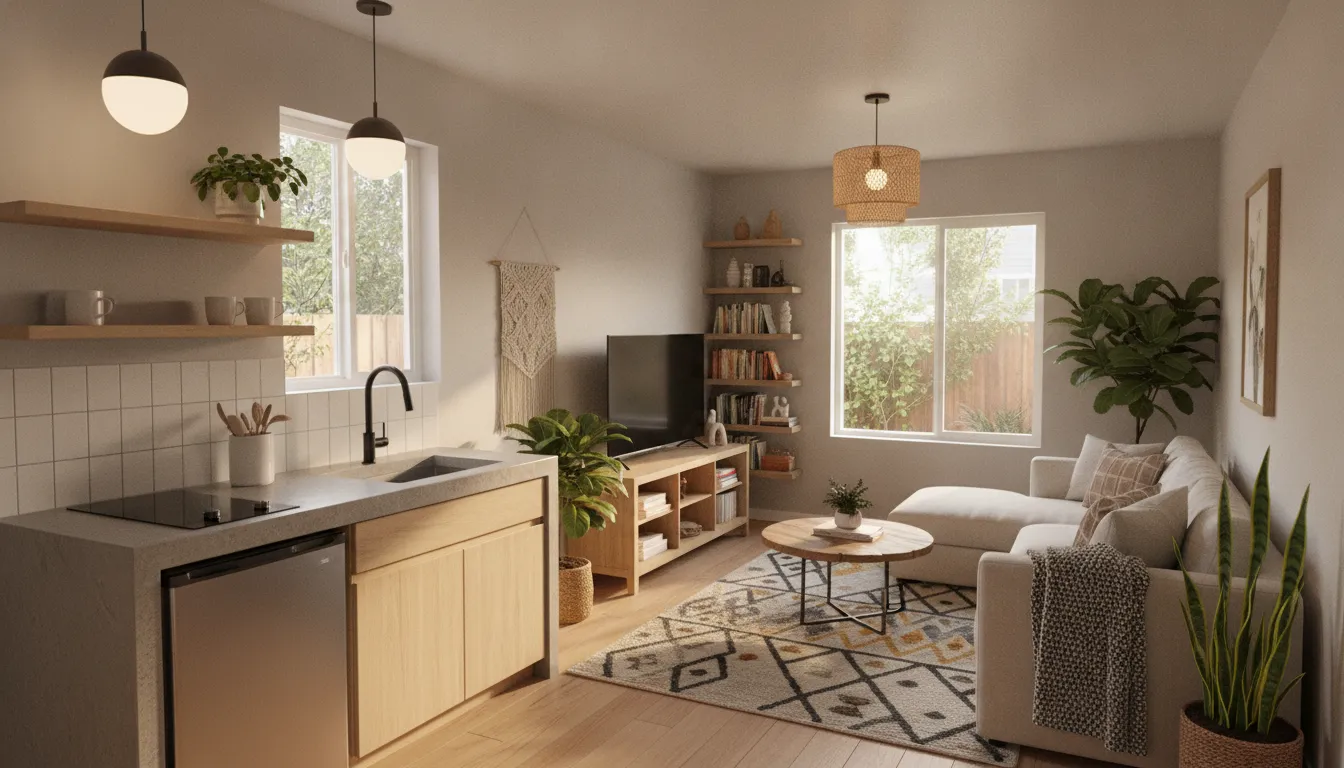
Building an ADU in Concord has both local and state rules. You must get the right permits before you start your project. This path makes sure your new home is safe and meets all city codes. Most projects in Concord need two main types of permits. These are planning and building permits. Both steps are vital for a good build.
Planning and Building Permit Approvals
The first step is to get planning approval from the city. Staff will look at where the unit will sit on your land. They check things like height and how far it is from the property line. They also look at how much space the unit takes up. This stage makes sure your project fits within local zoning laws. Following these ADU permit requirements helps you avoid costly errors early on.
After you pass the planning stage, you need a building permit. This step covers the safety of the unit itself. It includes checks for plumbing, power, and heating. You will need full plans that show how the unit will be built. The California ADU Handbook gives help on these state standards. These rules apply to all new homes, including guest houses and back yard suites.
State law has made it easier to build these units in recent years. You may not need to add a parking space if you are near transit. Utility companies will also need to see your plans for water and power. They check if your current lines can handle the extra load. This check is part of the permit process.
The ADU Submittal Checklist
Contra Costa County uses specific lists to track your application. You must fill out the ADU Planning Application Submittal Checklist to start. This list shows all the forms and maps you need to give the city. You will need a site plan that shows your whole lot. You also need to show how you will handle fire safety and sprinklers.
A second list is used for the building permit stage. This list includes building math and energy use forms. These lists help you make sure your submittal is full. A full package moves through the review process much faster. If you miss a form, the city will send your plans back. Working with a pro can help you get these forms right the first time.
- Complete the Checklists: Download and fill out the ADU Planning and Building Permit Submittal Checklists from Contra Costa County.
- Submit for Planning Review: Submit your design plans, site plans, and checklist to the Concord planning division for initial zoning approval.
- Apply for Building Permits: After planning approval, submit construction plans for building permit reviews, including structural, electrical, and plumbing details.
- Schedule Inspections: During construction, schedule municipal inspections at key milestones, ending with the final inspection to secure your certificate of occupancy.
Legalizing Unpermitted ADUs in Concord
Many owners have units that were built without a permit. You can make these units legal if they meet the current code. The state of California likes this because it adds safe housing. The path for making a unit legal is much like building a new one. You will need to apply for planning and building permits. A city pro will visit your home to check the work.
The pro looks for safety risks like bad wiring or poor exits. You may need to open walls or change windows to meet the code. You can California ADU regulations to fix these issues. Once the unit is legal, it adds real value to your home. It also gives you peace of mind and makes it easier to sell your house later. Legal units are safer for all who live there.
Attached vs. Detached ADUs: Side-by-Side Comparison
Choosing between attached and detached ADUs depends on your budget, property size, and privacy goals. Attached units are limited to 50% of the primary home size, whereas detached units offer up to 1,200 square feet of separate living space.
Choosing the right type of unit is a big step for your Concord property. You need to know how each style fits your needs and your yard. Each type must follow the concord ca adu requirements set by state and local laws. These rules help ensure your new space is safe and legal. Building an ADU can also add a lot of value to your home. Some homes in urban spots see their price go up by as much as 35%.
Choosing the right unit
An attached unit shares at least one wall with your main house. This can be a new wing or a conversion of your garage or attic. A detached unit is a stand-alone building in your yard. Both types can add value and give you more room for family or renters. You should think about how much privacy you want before you pick a design. Detached units often feel more like a separate home for guests or tenants.
If you have a small lot, an attached unit might be best. These options often use less yard space than a new separate house. You can work with a pro to ADU design and planning to fit your land. We help you find the best spot on your lot to meet city rules. Choosing between the two often comes down to your budget and your long-term goals for the property.
Space rules for your yard
The size of your unit depends on the type you build. A detached unit can be as big as 1,200 square feet in most cases. This gives you plenty of room for two bedrooms and a full kitchen. Attached units are often limited by the size of the main house. They usually cannot be larger than half the size of the main home. This keeps the new unit from looking too big for the property.
Junior units are the smallest and must stay under 500 square feet. They must also be inside the walls of your current home. When you plan your build, check the ADU permitting requirements in the Bay Area to stay on track. Both types usually need a 4-foot gap from your side and back property lines. This gap ensures that there is enough space between homes for safety and fire rules.
| Feature | Attached ADU | Detached ADU |
|---|---|---|
| Max Size | 50% of main house. | Up to 1,200 sq. ft. |
| Setbacks | 4 feet from lines. | 4 feet from lines. |
| Average Cost | $80,000 – $200,000. | $150,000 – $300,000+. |
| Build Time | 7 – 10 months. | 6 – 12 months. |
| Best For | Small lots. | High privacy. |
What to expect for your budget
Building costs can vary based on your goals and site needs. A simple conversion might cost less than a new detached home built from the ground up. Most projects in this area fall between $80,000 and $300,000. This price covers everything from the first plan to the final paint. High-end finishes or complex ground work will raise the final bill. You should also think about the cost of new utility lines for water and power.
Construction times also differ by type. A prefab unit can be ready in about six months if the site is ready. Custom builds usually take longer because they need more on-site work and custom plans. We manage the whole process so you do not have to worry about the details. This includes getting all the permits and passing every city test. We make sure your project stays on track and meets all local safety codes.
What Are the Local Building Standards for Setbacks, Heights, and Utilities?
Concord ADUs must adhere to a standard 16-foot height limit and 4-foot setbacks. California law also mandates separate utility connections for water and power, along with solar panel installation on all new detached units.
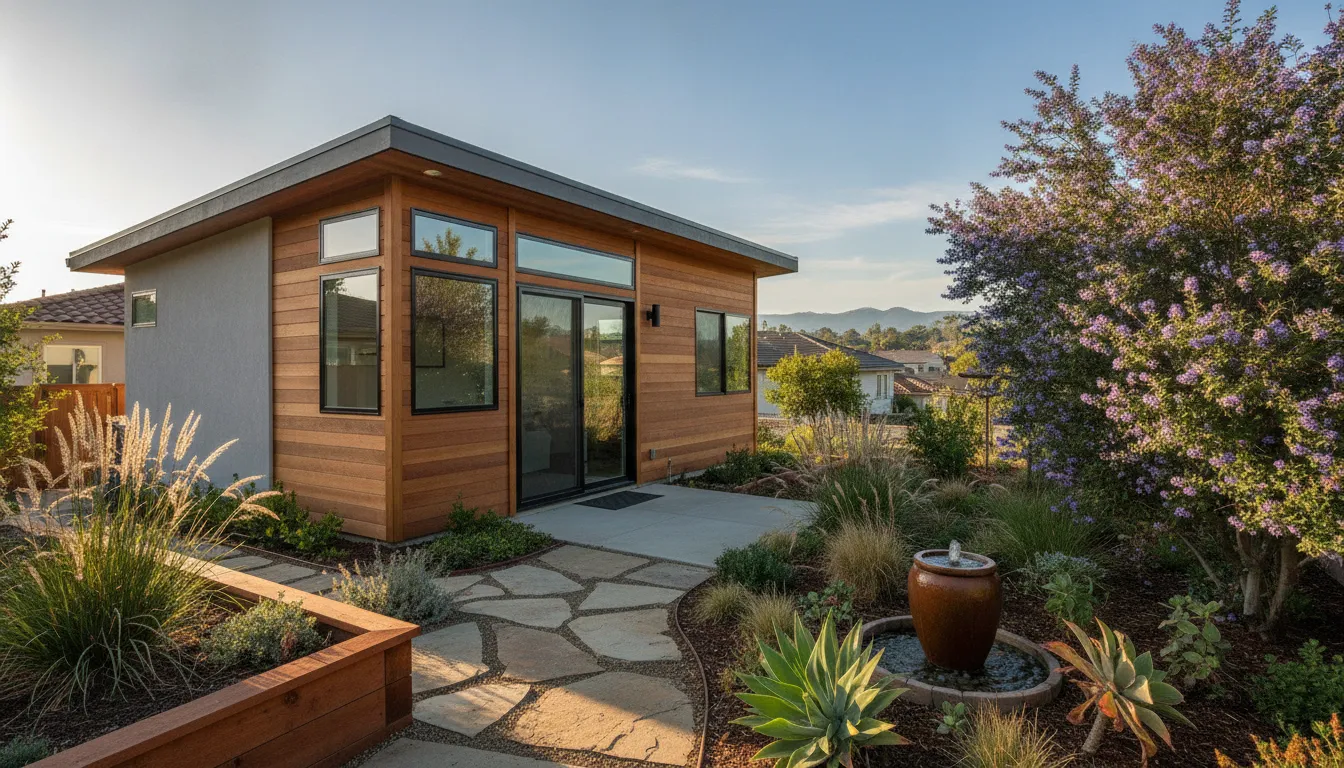
Building a new unit in Concord means you must follow clear rules for where the structure sits on your land. Local ADU garage conversion permits often start with these basic rules. For most units, you must keep a 4-foot gap from the side and rear property lines. This space is known as a setback. It ensures there is enough room for safety and fire access between homes. These standards help keep the area safe and neat as you add living space.
Height limits and size rules
The height of your unit depends on its type. California law now allows most detached units to reach a height of at least 16 feet. Some may go higher based on local zoning. Concord follows these state development standards to make sure new units fit the look of the area. If you build a unit attached to your main house, it can often match the height of that home. Staying within these limits is key to getting your plans approved by the city team.
Fire safety and solar power
Safety is a top goal for any new home project. You may need to add fire sprinklers if the main house has them. The building permit checklists for the area show these fire safety needs. New detached units must also follow state solar rules. This often means you must put solar panels on the roof of the new unit. These steps help make the unit green and safe for any person who lives there. We can help you check these rules to keep your project on track.
Utility and water links
Your new unit needs its own links to water, sewer, and power lines. In many cases, you can connect these to the lines serving your main home. The city looks at how much extra load the new unit adds to the local system. Planning for these ADU design and planning steps early prevents big costs later in the job. Proper links ensure your unit has steady water and power without causing issues for your house or the neighbors.
What Is the Cost Breakdown and What Are the Financing Options for Concord ADUs?
Concord ADU construction costs typically range from $80,000 to $300,000 depending on complexity. Homeowners can finance their project using cash-out refinances, home equity lines of credit, or the state CalHFA $40,000 ADU grant.
Building a backyard home is a big step for any homeowner. Most people want to know the cost first. In California, the average ADU construction costs are about $150,000. This price can change based on the size and style of the unit. Local rules also play a part in the final bill. Meeting ADU permit requirements adds to the cost. But it keeps your unit safe and legal.
Typical Costs for Your Concord ADU
For a project in Concord, your cost can range from $80,000 to $300,000 or more. A simple garage conversion might stay near the low end. But a large, detached house with high-end parts will cost much more. At Golden Heights Remodeling, we help you plan your budget to avoid shocks. As a premier builder (License #1068868), we manage every step of the build to keep costs in check.
Many things can change the price of your new unit. Site work, power lines, and permit fees all add up. You must also follow concord ca adu requirements for planning and building permits. These steps protect your home and make sure the unit meets local laws. Our team helps you plan your ADU so it fits your needs and your budget.
Grants and Loan Paths
You do not have to pay for the whole project with cash. There are many ways to pay for a new backyard home. Some people use home equity loans or cash-out refis. Others look for special grants to help with the cost. The CalHFA ADU Grant Program is a great choice for many people. It gives up to $40,000 to cover the early cost of your project. This money helps with plans and permit fees before building starts.
Finding the right loan can feel hard, but you have options. Local banks often have loans just for ADUs. You can also look into state-backed loans that offer lower rates. Using a grant can make a big difference in your total bill. We can help you find these paths so you can start your project soon.
Property Value and Long Term Gains
Adding a small home to your lot is more than just a cost. It is a smart way to grow your wealth. Most experts say an ADU can boost your home value by 25% to 35% in urban spots. This means the unit can pay for itself over time. You can also rent the unit to get a steady check every month. This cash flow can help pay off the loan you used to build it.
Beyond the money, an ADU gives your family more room. It can be a home for a parent or a private spot for a teen. Having this extra space makes your whole property more useful. When you are ready to sell, the extra unit will draw in more buyers. If you want to see what is possible, you can schedule a meeting with our team today.
Frequently Asked Questions
What is the maximum size for a detached ADU in Concord?
In Concord, detached units can be as large as 1,200 square feet. This limit allows for multi-bedroom layouts that suit families or long-term renters. As noted by Dwellito, these units can be built as new stand-alone buildings or as changed garage spaces. Homeowners must still follow local rules for lot space and floor area ratios when they start their projects.
Is there a minimum lot size requirement for an ADU in Concord?
No, you do not need a certain lot size to build an extra unit in Concord. State laws have removed these bars to help more people add housing to their land. As long as your yard can fit the unit while meeting safety and setback rules, you can move forward with your build. This change makes it much easier for owners of smaller lots to start their work.
What are the requirements for a Junior ADU in Concord?
A Junior ADU must be 500 square feet or less in size. These units must stay inside the walls of a current or new home. Based on data from Dwellito, these units must also have a small kitchen and their own door. They are a good choice for homeowners who want to make a small rental space without adding to the house footprint.
What permits are required for an ADU in Concord?
Extra units in Concord need both planning and building permits. This is true whether you build a new unit or fix an old one. As noted by Contra Costa County, you must send in plans and pass checks to ensure the work is safe. Working with a pro can help you get through this task without waits or extra costs.
Ready to start your Concord ADU project?
Putting off your project leads to higher costs for supplies. Prices for wood and labor go up each year, but starting now helps you save money. By starting your plans today, you can finish your new home fast. You can also avoid new rules that make builds much harder. Check out our guide on ADU permit requirements to see how we work in your area. A quick start lets you get rental income much sooner. This keeps your project on a clear track for your house.
Ready to start your build? Call 267-918-9733 to schedule a free consultation and get your home ready for new living space in Concord today.
Ready to talk about your kitchen?
Get a free, no-pressure design consultation. We'll walk through your goals, budget, and the upgrades with the best return for your home.