
A Bay Area backyard loses value in daily life when paving, planting, and gathering spaces are planned apart. The right remodel connects every surface and comfort feature to the way people cook, relax, and host outdoors.
Schedule your free initial consultation to plan an outdoor living remodel Bay Area layout with coordinated landscape design, paving, drainage, and entertaining zones.
An outdoor living remodel Bay Area homeowners can use year-round joins landscape design, paving, shade, lighting, and entertaining zones in one coordinated plan. It starts with stable paths and patios that connect the home to seating, cooking, and garden areas instead of leaving isolated improvements across the yard. Planting softens hardscape, while covered seating and thoughtful lighting extend everyday comfort. Together, these choices create an easy transition from indoor rooms to outdoor meals, quiet mornings, and weekend gatherings.
This guide begins with the essential planning question: What should an outdoor living remodel Bay Area plan include? Start by matching zones, surfaces, shelter, and site needs before selecting pavers or an outdoor kitchen.
What should an outdoor living remodel Bay Area plan include?
An outdoor living remodel Bay Area plan should begin with how you want to use the yard. It should map site limits, set clear activity zones, connect indoor and outdoor rooms, and align design with construction. That keeps patios, planting, paving, shade, lighting, and entertaining features working as one space.
Lifestyle goals and site conditions
Start with daily life, not a feature list. Do you want a quiet morning patio, space for family meals, or room to host larger groups? A plan based on those uses helps you set priorities. It also avoids a yard filled with parts that do not work together.
Next, study the property itself. Note sun and shade patterns, slopes, drainage paths, existing trees, access routes, and views worth keeping. A planted, usable setting can also support time outdoors. A review of outdoor physical activity found more psychological benefits in natural settings than in urban outdoor settings.
Zones and indoor-outdoor thresholds
A strong layout gives each use a place while keeping movement simple. Cooking should relate to dining, and lounge seating should feel sheltered. Walking paths should not cut through a gathering area. Planting can soften hard surfaces and help each zone feel linked to the rest of the yard.
The threshold from house to yard deserves close study. Door locations, steps, paving levels, lighting, and sightlines shape how often the space feels easy to use. Golden Heights Remodeling’s outdoor living remodel Bay Area planning page shows how landscape design fits this type of project.
One coordinated project plan
Bring the main decisions together before work begins. The plan should show surfaces, planting areas, shade elements, utilities, drainage needs, lighting locations, and built-in features. It should also show construction access and the order of work. That helps protect finished surfaces from later trenching or heavy equipment.
Golden Heights Remodeling uses a design-build model that brings planning and project management together for outdoor living work. That approach lets the team coordinate landscape, hardscape, and structural features from one plan. Homeowners can review how the spaces relate before materials are installed and site work starts.
Landscape design and paving form the foundation
A successful outdoor living remodel in the Bay Area starts with the ground plan. Landscape design sets shade, planting, views, and privacy. Paving shapes daily movement, furniture placement, and the routes that connect the home, patio, lawn, and gathering areas.
Circulation before finishes
Begin with how people will use the yard. A direct path from the kitchen to a dining patio supports meals and hosting. A separate walkway can guide guests past planting beds without cutting through a seating group. This early layout helps patios feel open while routes stay clear.
Patio geometry should fit the activity, not just fill an open area. Rectangular zones often make tables and lounge pieces simple to place. Gentle curves can soften transitions into planting. When paving meets steps, doors, turf, or garden beds, clean edges reduce awkward gaps and make the design read as one plan.
Transitions also affect comfort and safety. Level changes, narrow turns, and loose borders can make a yard harder to use with serving trays, strollers, or outdoor furniture.
Hardscape choices and water flow
Material selection should follow use, style, and site needs. Golden Heights Remodeling’s paving and hardscape installation can be planned alongside landscape elements, rather than added after paths and patios are fixed.
| Material | Common use | Planning focus |
|---|---|---|
| Pavers | Patios and walkways | Base slope and joints |
| Concrete | Patio pads and paths | Slope before pour |
| Natural stone | Paths and terraces | Stable bedding |
Drainage belongs in the layout stage. Surfaces should move water away from the home and avoid sending runoff into low planting beds. Planting areas can then frame hardscape, add softness, and leave room for access to drains, utilities, and irrigation components.
Landscape that supports daily use
A remodel works best when the planted and paved spaces support the same routine. Place shade and greenery near seating. Keep walking surfaces easy to follow, and reserve open areas for flexible use. Research on outdoor activity in natural settings reports better psychological outcomes than activity in urban settings. A PubMed-indexed review summarizes this finding.
That does not mean filling every edge with plants. It means balancing gathering space, usable paths, planted views, and planned water flow. During an outdoor living remodel Bay Area plan, these choices set the base for later features such as dining zones, lighting, and cooking areas.
How can a Bay Area backyard work year round?
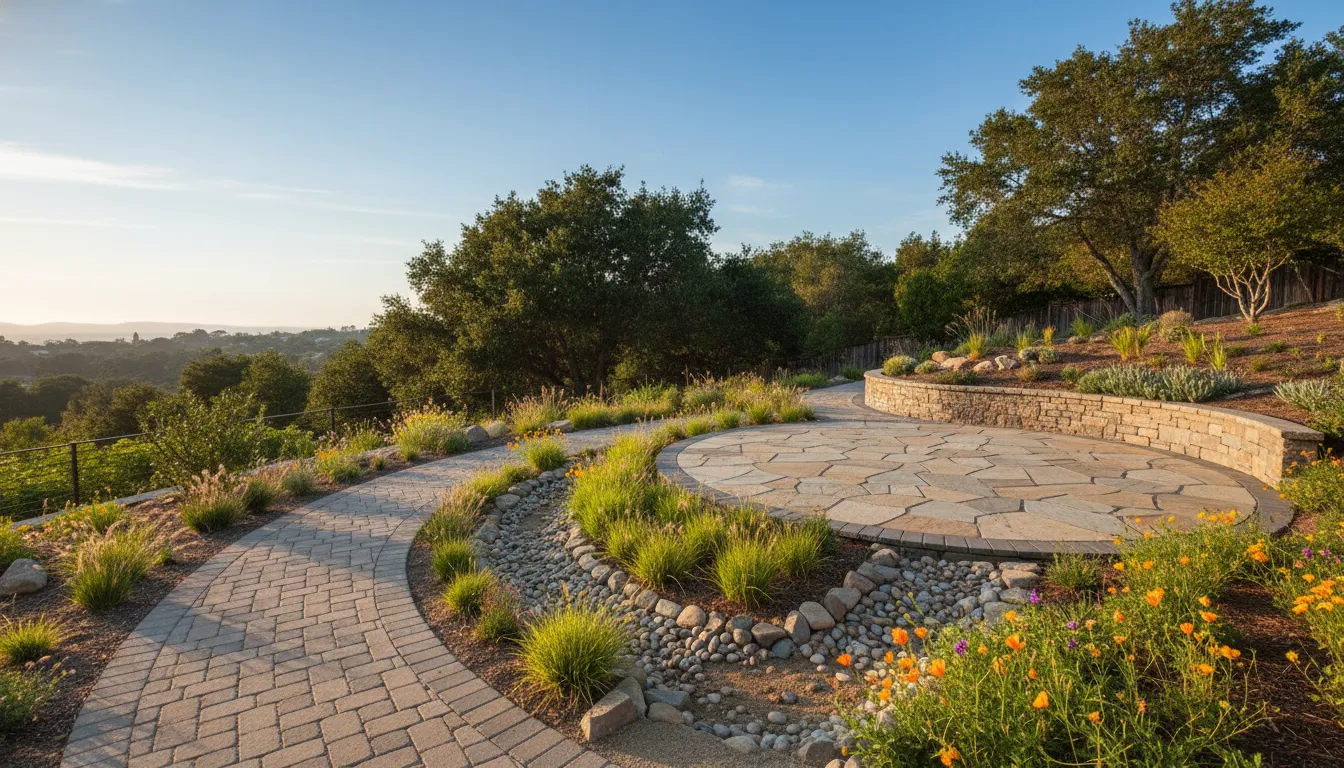
A Bay Area backyard can work year round when the layout supports sun, shade, evening use, and wet weather. Plan covered seating, clear paths, focused lighting, and a dining area that adapts to daily meals or guests. In an outdoor living remodel, Bay Area homes gain comfort when each zone connects easily.
Shade and evening comfort
Begin with where people will sit, cook, and walk. A pergola, covered patio, or layered planting can shade a dining table while keeping open areas bright. Place lounge seating where it can serve a quiet morning and a group gathering without moving heavy pieces.
Evening comfort needs a plan, not a collection of add-ons. Set aside safe space for a permitted heat source, if desired, and leave clear routes around chairs. Time spent moving outdoors in natural settings can support well-being, as summarized in a review of outdoor physical activity.
Lighting and flexible dining
Use task lighting at a grill, counter, or serving surface so meal prep stays easy after sunset. Add low path lights along steps, grade changes, and walkways. Softer light near seating keeps the table useful without making the yard feel like a work zone.
A flexible dining area should handle a weekday dinner and added seats for guests. Allow room to pull out chairs and move between the kitchen door, grill, and table. Golden Heights can coordinate those zones within a full outdoor living remodel Bay Area plan.
A layout ready for weather
A practical plan keeps runoff, materials, and circulation in view from the start. Set primary walkways on firm surfaces, keep planting beds clear of main traffic, and avoid placing the dining zone in a low spot. These choices help the yard remain usable after damp weather.
Use this short planning check before finalizing the layout:
- Shade reaches the main seating area when it is most needed.
- Task lights serve cooking and dining surfaces.
- Path lights mark steps, edges, and the route back indoors.
- Dining furniture can expand without blocking circulation.
- Hardscape and planted areas direct water away from gathering zones.
Review these parts together during design, rather than choosing them one at a time. A coordinated layout makes shade, light, paving, planting, and dining support the same daily use.
Plan outdoor kitchens, lighting, and drainage together
An outdoor kitchen works best when serving routes, utilities, lighting, storage, and water flow are planned as one layout. For an outdoor living remodel Bay Area homeowners can use in more seasons, start with movement. Map how food, dishes, and guests travel from the indoor kitchen to the patio.
The serving route and kitchen zone
Keep the outdoor cooking and prep zone close to an easy indoor exit, when the site allows it. A short route can reduce trips across seating areas with trays or hot food. Set aside clear space for a grill, counter, sink or cooler, trash storage, and dry storage.
Review the kitchen beside dining, lounge, and planted areas, not as a stand-alone feature. Golden Heights Remodeling’s outdoor living remodel Bay Area planning can show how cooking space connects with planting and circulation. This helps keep the busiest route from cutting through chairs or conversation areas.
Utilities, runoff, and evening use
Discuss gas or electric service, water lines, outlets, and appliance locations during design, before surfaces are set. Drainage needs the same early review. Water from rain, rinsing, and nearby planted beds should be guided away from walking areas and places where guests gather.
A patio surface and its slope shape where furniture, counters, and paths can sit. Coordinate drains, edges, and paving and hardscape installation before fixing the kitchen footprint. The goal is dry, clear travel paths with enough open area for dining and access.
Path lighting should support movement from the house to cooking, dining, and steps after dusk. Use task light at preparation areas and soft light along routes. Research links activity in natural settings with better psychological outcomes than activity in urban settings. This finding appears in a published review indexed by PubMed.
Questions for the design review
Before the plan is finalized, walk through a normal meal and an evening gathering. These questions can expose blocked routes, missing storage, or drainage conflicts while the layout can still change:
- Which door provides the shortest serving route from the indoor kitchen?
- Where will dishes, grill tools, cushions, and waste bins be stored?
- Which cooking and prep features need power, gas, water, or outlets?
- Where will rainwater and rinse water move after reaching paved surfaces?
- Do light fixtures mark steps, turns, cooking surfaces, and dining routes?
- Can guests reach seats without crossing the main cooking path?
- Does the layout leave open space for access, planting, and future needs?
A practical outdoor living remodel process
A practical outdoor living remodel begins with daily needs, site limits, and a layout that connects each outdoor zone. Golden Heights uses a design-build approach, so planning and construction stay aligned. Its comprehensive remodeling services can bring landscape, hardscape, and entertaining features into one coordinated plan.
Early design decisions
Start by naming how the yard should work: quiet mornings, outdoor meals, play, or hosting. Time outdoors can support well-being. A review indexed by PubMed found improved mental well-being during green exercise. A clear goal helps the design team place spaces where they will be used.
-
Set priorities during a site walk. Discuss who will use the space and what must change. Review sun, shade, slopes, access points, and current surfaces. This first look also flags features that may shape the layout or building sequence.
-
Develop a concept layout. Place cooking, dining, lounge, planting, and circulation areas in a clear plan. The layout should connect to the home without crowding paths. A 3D view can help homeowners review scale before work begins.
-
Select materials for the setting. Choose pavers, decking, stone, shade elements, and planting finishes together. Match the look to the home and plan for care needs. Materials should also suit the selected uses and exposed outdoor conditions.
-
Confirm drainage and utilities. Before hardscape goes in, identify water flow and needed lines for lighting, irrigation, gas, or power. This step limits late layout changes. It also helps the finished zones work as planned after rain and during evening use.
-
Coordinate construction in sequence. Site preparation, utility work, structural features, paving, and planting need an ordered schedule. A design-build team can manage these trades from the approved plan. Clear updates keep choices and site work tied to the same scope.
-
Complete a final walk-through. Check surfaces, fixtures, lighting, drainage points, planting areas, and care notes. Review how each zone will be used and maintained. Record any final adjustments before the outdoor living remodel is complete.
A connected outdoor plan
An outdoor living remodel in the Bay Area works best when the yard is planned as one connected setting. Golden Heights can align landscape areas, paved zones, and gathering features through one project path. Its outdoor living remodel Bay Area planning page shows how a cohesive layout can take shape.
Connect the outdoors to a whole-home remodel
An outdoor living remodel Bay Area homeowners plan alongside interior work should feel like part of the house, not an add-on. The key moves are clear. Make the doorway easy to cross and place outdoor cooking near the indoor kitchen. Repeat selected finishes, then sequence the work to protect completed areas.
Threshold transitions
Start at the point where the house meets the patio or deck. A wide opening can support daily flow, but size alone does not solve the transition. Review floor heights, drainage direction, door swing, shade, and clear walking space together.
The threshold should work for carrying plates, guiding guests, and moving between seating zones. A designer can map the sightline from the indoor living area before materials are ordered. That step helps the new outdoor room read as one connected plan.
Kitchen connections and shared finishes
If the remodel includes an outdoor kitchen, begin with how meals move through the home. A route from refrigerator to grill, sink, counter, and table should be direct and clear. Keep hot cooking areas apart from main paths and nearby seating.
A whole-home plan can coordinate cabinet color, counter tone, paving, lighting, and metal finishes without matching each surface. Golden Heights Remodeling’s comprehensive remodeling services page outlines indoor and outdoor project areas that may be considered together. The related outdoor living remodel Bay Area page adds context for the site and landscape plan.
Choose repeated details with care. For example, an interior stone tone can guide patio paving, or a light finish can carry through both areas. This approach ties rooms together while materials still suit their location and daily use.
Phased construction planning
When indoor and outdoor work are part of one scope, sequencing matters. Confirm design decisions before demolition, then list work that affects both sides of the wall. Doors, utility paths, drainage details, and finish edges can shape the construction order.
A phased plan can show which access route crews need and which areas homeowners may use during work. It can also flag when new door openings, utility runs, or patio work must occur before interior finishes are complete.
Once finished, a connected layout should support cooking, gathering, and simple time outdoors. Research on physical activity in natural environments reports greater psychological benefits than activity in urban outdoor settings.
Before work starts, ask for a plan showing transitions, kitchen links, finish selections, and phase boundaries. This gives you a clear way to review how the indoor remodel and outdoor scope connect.
How should homeowners prepare for a design consultation?
Prepare for a design consultation by noting how your yard works now and what needs to change. Bring photos, rough ideas, and clear priorities. This helps the design team connect planting, paving, shade, and gathering areas in one plan.
Your yard and your goals
Start with a short walk through the yard at different times of day. Note sun, shade, wind, privacy, soggy areas, steep slopes, and paths that feel awkward. A Bay Area outdoor living remodel works best when design choices reflect the real site.
Also note how you want to spend time outdoors. Physical activity in natural settings may support better mental well-being than activity in urban settings, according to a review indexed in PubMed. Your plan should support daily use, not only special events.
- Take photos of sunny areas, shade, slopes, gates, fences, and existing paving.
- List your top priorities, such as dining, cooking, play, quiet seating, or hosting.
- Collect a few inspiration photos, then mark what you like in each one.
- Describe upkeep preferences for plants, surfaces, lawn areas, and seasonal cleanup.
- Share future remodel plans, such as an addition, kitchen work, pool, or accessory unit.
- Write down drainage concerns and ask which work must happen first.
Decisions worth making early
Rank your needs before the meeting: must-have items, nice-to-have features, and ideas for a later phase. This keeps the first concept focused. It also helps avoid placing new paving or planting where future construction may disturb it.
Think about daily routines as well as larger gatherings. Count likely guests, decide where cooking should occur, and note whether steps or narrow paths limit access. If a view matters, bring a photo from the spot where you most often sit.
Questions for a clear project sequence
Ask how drainage, grading, utilities, planting, paving, and structures fit together. Ask which decisions need permits or more study. A clear order of work can reduce changes after materials are selected or site work begins.
Bring these notes to a design consultation so the discussion can start with your property, priorities, and next steps. You do not need finished plans. Useful observations and honest questions are enough to begin a sound outdoor design process.
Frequently Asked Questions
How much does an outdoor living space remodel cost in the Bay Area?
The cost of a Bay Area outdoor living remodel depends on site conditions, design scope, materials, utility work, drainage, permits, and access for construction. A patio and planting refresh has a different budget from a coordinated project with paving, retaining walls, lighting, and an outdoor kitchen. Start with a site assessment and detailed design so pricing reflects the full project rather than isolated upgrades.
Do I need a permit for an outdoor living renovation in the Bay Area?
Permit needs depend on the city or county and the features included in the project. Structural decks, retaining walls, gas or electrical lines, drainage changes, patio covers, and outdoor kitchens may require review. Simple planting changes may not. Confirm local requirements during design, before materials are ordered or construction begins, because approvals can affect layout, cost, and schedule.
How can I make my Bay Area backyard suitable for year-round entertaining?
Plan the yard as connected zones for cooking, dining, conversation, shade, and evening use. Use durable paving for circulation, layered planting for comfort and privacy, lighting for safe movement, and covered or shaded areas for changing weather. Outdoor kitchens and entertainment zones are common gathering features in Bay Area outdoor living projects. A coordinated design helps each zone function together.
What materials are best for Bay Area outdoor living hardscapes?
Choose hardscape materials for the site’s exposure, drainage, traffic, upkeep, and architectural style. Quality concrete pavers, natural stone, and well-detailed concrete can each work for patios and paths when the base and drainage are designed correctly. Coastal moisture, inland heat, slopes, and tree roots can change the best choice. Compare surface comfort, slip resistance, repair options, and long-term maintenance before selecting finishes.
Ready to plan your Bay Area outdoor remodel?
Delaying an outdoor remodel can leave layout, paving, shade, planting, access, and entertaining decisions disconnected when you are finally ready to build. Starting now creates time to align your family’s needs, priorities, project sequence, and budget before key choices become harder to change. A thoughtful early plan helps you pursue an outdoor space that fits daily routines, larger guest gatherings, seasonal plans, and home life.
Ready to start with a clear plan? Schedule your free initial consultation to discuss your landscape design, paving, layout, and year-round entertaining goals with Golden Heights Remodeling. Contact the team today to begin with your questions, priorities, timing needs, and must-have features for your home prepared.
Ready to talk about your kitchen?
Get a free, no-pressure design consultation. We'll walk through your goals, budget, and the upgrades with the best return for your home.