
Remodeling ROI Bay Area homeowners can actually use is not captured by one national percentage. The region’s high property values, varied housing stock, permitting requirements, and discerning buyers make return on investment a property-specific calculation. A well-planned project should strengthen market appeal while improving how the home works now, but the best choice depends on the neighborhood, the condition of the existing space, and the household’s likely ownership timeline.
This guide explains how to evaluate remodeling value without relying on promises or overly broad averages. It compares common project types, identifies Bay Area factors that can change the calculation, and provides a practical framework for prioritizing work.
What remodeling ROI Bay Area homeowners should measure
Financial ROI is commonly expressed as the share of project cost reflected in a home’s value when it sells. That measure is useful, but incomplete. A renovation can also reduce deferred maintenance, improve energy performance, make a floor plan more functional, or help a household remain in place longer. Those benefits may matter even when they do not translate dollar for dollar at resale.
Bay Area homeowners should separate three kinds of value:
- Resale value: The contribution a project may make to buyer interest, marketability, and eventual sale price.
- Use value: The comfort, convenience, accessibility, and enjoyment the household receives while living in the home.
- Risk reduction: The value of correcting aging systems, water intrusion, unsafe conditions, or unpermitted work before those issues become more expensive.
A project can be worthwhile because it performs well in one category or reasonably well across all three. For example, replacing a failing roof is less visually exciting than a new kitchen, yet it protects the structure and removes a concern that could complicate a future sale. Conversely, a highly personalized luxury room might offer substantial use value but appeal to a narrower buyer pool.
Why local context changes the return calculation
High home values magnify quality expectations
In a high-value market, buyers often expect workmanship and finishes that feel consistent with the property and neighborhood. A renovation that looks inexpensive relative to the rest of the home can undermine confidence. Overspending is also possible. Installing ultra-luxury materials in a modest home may not create a proportional increase in value, particularly if the surrounding comparable sales do not support that positioning.
Older homes create hidden scope
Many Bay Area houses have older electrical, plumbing, insulation, framing, or foundations. Opening walls for a cosmetic update can reveal work that should be corrected to support the renovation. A realistic budget therefore includes investigation, design, permit costs, and a contingency rather than treating the visible finishes as the entire project.
Permits and documentation matter
Permitting requirements vary by jurisdiction, and the review process can influence both schedule and scope. Proper documentation helps protect the homeowner and can make future disclosures more straightforward. Before committing to a concept, discuss which approvals may apply and how the design can account for them. For a broader look at project planning, visit the remodeling resources from Golden Heights Remodeling.
Micro-markets influence buyer priorities
The Bay Area is not one uniform market. Buyers in one neighborhood may prize an additional bedroom, while buyers elsewhere may respond more strongly to indoor-outdoor flow, parking, a flexible office, or seismic and energy improvements. Recent nearby sales and conversations with a knowledgeable local real estate professional can clarify what the market currently rewards.
Comparing common remodeling projects
The right project is the one that resolves the home’s most meaningful limitation at an appropriate level of investment. The following comparison is directional rather than predictive.
| Project type | Potential value drivers | Common ROI risks | Best fit |
|---|---|---|---|
| Kitchen remodel | Daily function, central gathering space, broad buyer visibility | Overly specialized layout or finishes; relocating too many systems | Dated or poorly functioning kitchens |
| Bathroom remodel | Comfort, condition, perceived care, efficient footprint | Premium selections with limited market impact | Worn, leaking, cramped, or inaccessible baths |
| Addition | More usable area, bedrooms, and flexible living space – a room addition can solve space constraints without moving | High complexity; layout imbalance; cost exceeding local support | Homes where added space solves a clear constraint |
| Whole-home remodel | Consistent design, systems coordination, broad functional improvement | Large scope and carrying costs; excessive personalization | Homes with interconnected layout and condition issues |
| Exterior improvements | Curb appeal, weather protection, first impression | Cosmetic work that ignores drainage or envelope problems | Properties with visible wear or weak arrival experience |
| Energy and comfort upgrades | Lower waste, improved comfort, modernized systems | Savings depend on existing conditions and household use | Drafty homes or aging mechanical systems |
Kitchen remodeling: broad appeal with disciplined choices
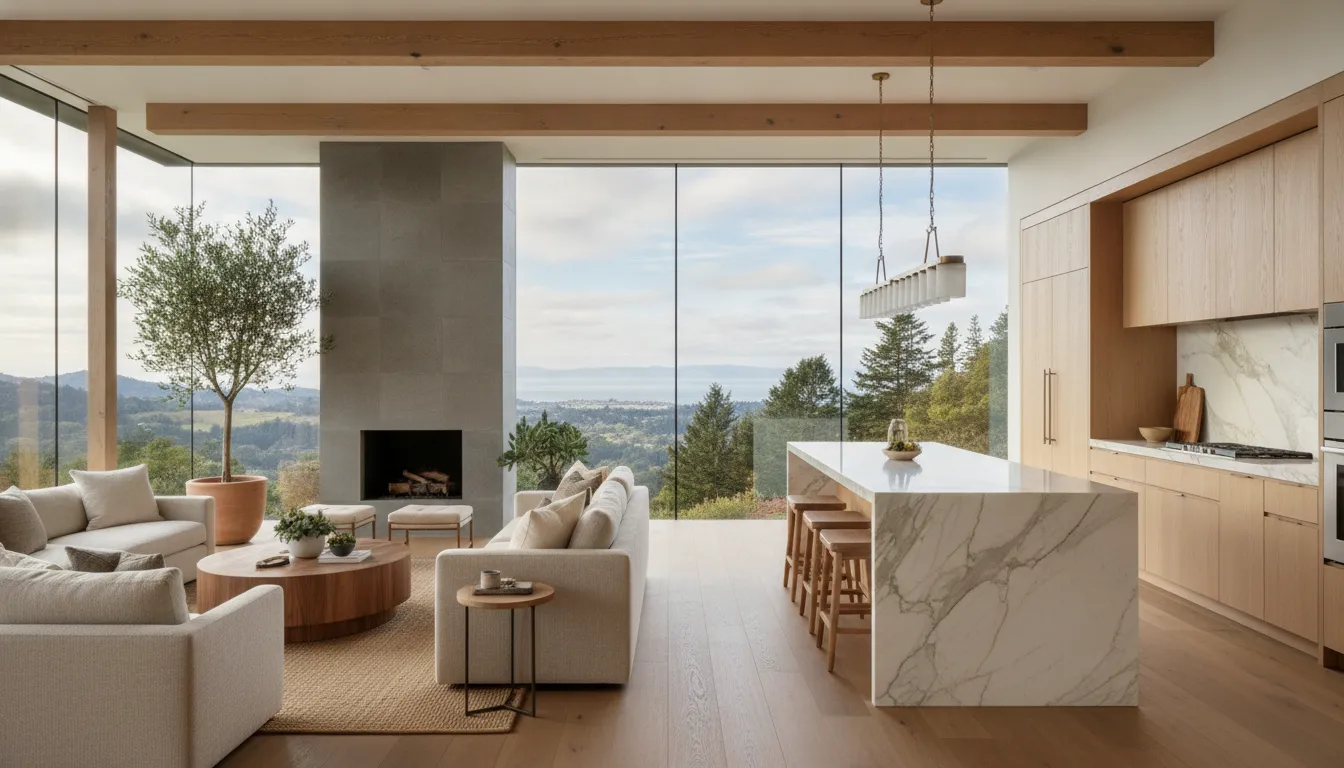
Kitchens receive attention because they affect daily routines and shape buyers’ first impressions. Strong investments usually focus on workflow, storage, lighting, durable surfaces, and visual continuity with adjacent rooms. The goal is not necessarily the largest or most expensive kitchen. It is a coherent space that removes obvious friction.
Preserving serviceable elements can improve the value equation. If the layout works and the infrastructure is sound, selective changes may deliver more benefit per dollar than a complete reconfiguration. When circulation, storage, or connections to living areas are fundamentally flawed, a deeper redesign may be justified. Explore considerations for a kitchen remodeling project before deciding on scope.
Bathroom remodeling: condition is as important as style
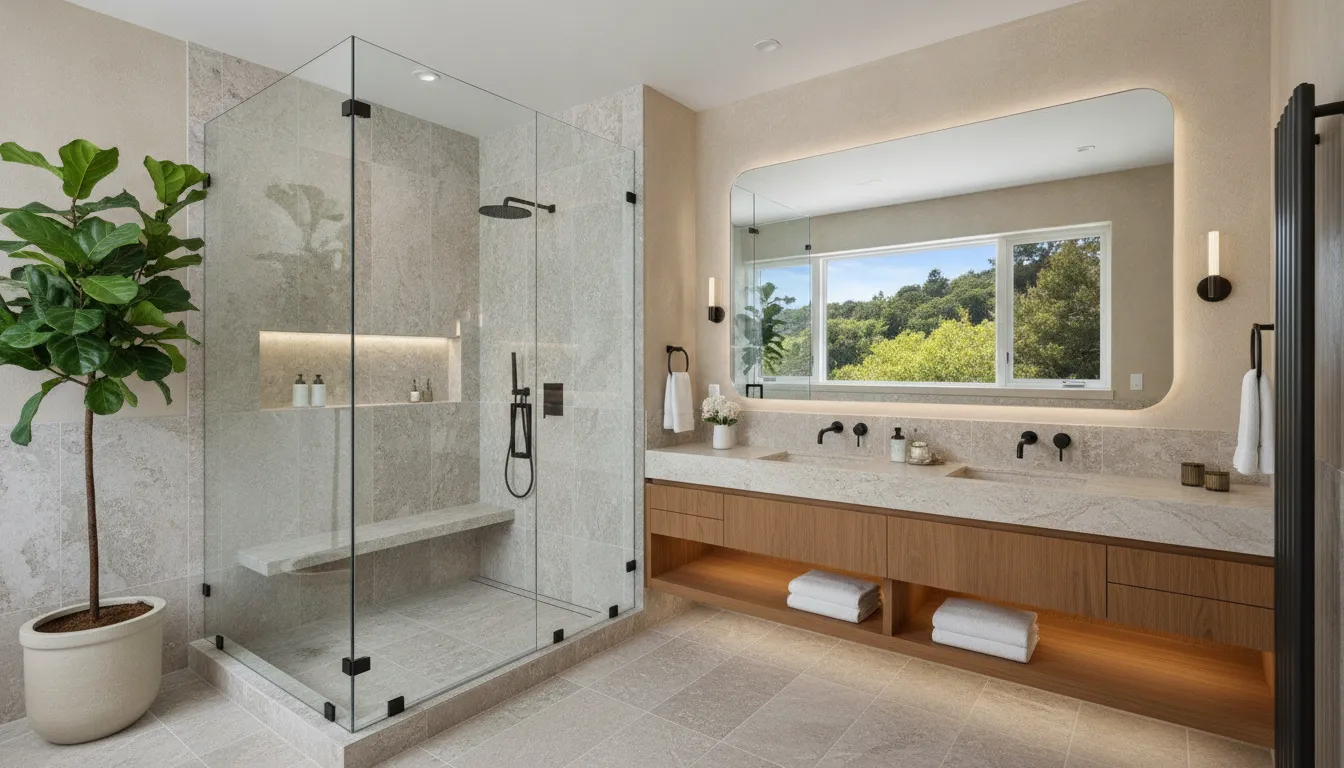
A bathroom affects perceived quality because buyers look closely at waterproofing, ventilation, fixtures, and finish condition. A thoughtful remodel should address performance behind the surfaces as well as appearance. Good lighting, sensible storage, comfortable clearances, and easy-to-maintain materials often have broader value than trend-driven details.
Adding a bathroom may be strategically useful when a home’s bedroom count and existing bath count feel mismatched. However, the best location depends on plumbing access, floor-plan effects, and permit feasibility. Learn about bathroom remodeling options and evaluate them in the context of the whole home.
Additions and layout changes: solve the right constraint
Additional square footage can be valuable in a space-constrained market, but an addition carries design, engineering, permitting, and construction complexity. For homeowners who need independent living quarters, ADU construction offers a separate, self-contained alternative. More area alone is not enough. The new space should improve circulation and preserve a sensible relationship among bedrooms, bathrooms, common rooms, and outdoor areas.
Before adding on, test whether the existing footprint can work harder. Removing an awkward partition, converting underused space, or improving storage may solve the core problem with less intervention. If an addition remains the right path, review home addition planning and compare the concept against likely long-term use.
Whole-home remodeling: coordinate interconnected decisions
A whole-home project may make sense when several spaces need work and the systems or layout changes overlap. Coordinating the design can reduce piecemeal compromises and create consistent materials, lighting, and circulation. It can also reveal the full investment earlier, helping homeowners make better tradeoffs.
The risk is expanding the scope without a clear hierarchy. Separate essentials, high-value improvements, and optional enhancements before design advances. A defined hierarchy gives the team a rational way to respond if estimates or site findings require adjustments. See how whole-home remodeling can be approached as one coordinated plan.
A practical framework for prioritizing your budget
1. Start with condition and risk
Identify water intrusion, structural concerns, aging systems, unsafe conditions, and deferred maintenance first. Attractive finishes cannot compensate for unresolved problems behind them. A pre-design assessment can help distinguish urgent work from desirable work and reduce the chance that essential corrections surprise the budget later.
2. Define the household problem in plain language
Write down what is not working before naming a project. Examples include: two cooks cannot work comfortably, there is no quiet place for remote work, the primary bathroom is difficult to use, or the home lacks storage near the entry. Clear problem statements produce more focused design decisions than a vague goal to modernize.
3. Match scope to ownership horizon
A homeowner planning to sell soon may favor visible, broadly appealing improvements and careful maintenance. Someone expecting to stay for many years can reasonably place more weight on personal use, accessibility, and long-term adaptability. Neither approach is inherently better, but confusing the two can lead to an investment that does not fit the household’s actual goals.
4. Set a target budget and contingency
Establish a comfortable investment range, then reserve a contingency suited to the home’s age and the uncertainty of the work. Keep design decisions aligned with that range. Comparing alternatives early is more effective than cutting essential details after construction documents are complete.
5. Evaluate the project as a package
Some improvements create value together. A kitchen remodel that opens to a living area may require flooring, lighting, and finish changes beyond the kitchen boundary. Assess the full package, including design, permits, temporary living arrangements, and related repairs, rather than comparing only a contractor’s base construction number.
How to protect remodeling value during design
- Prioritize a durable layout. A functional plan generally lasts longer than a fashionable finish palette.
- Choose materials appropriate to use. Maintenance, repairability, and wear matter in kitchens, baths, entries, and exterior areas.
- Maintain design coherence. New work should relate to the home’s architecture rather than feel attached without context.
- Keep future flexibility in mind. Rooms that can support more than one purpose may remain useful as household needs change.
- Document decisions. Organized plans, permits, warranties, and product information can support maintenance and future disclosures.
- Avoid extreme personalization in permanent elements. Distinctive furniture and paint are easier to change than highly specialized built-ins or unconventional layouts.
Professional planning is especially useful when choices interact. Moving a wall can affect structure, electrical work, flooring, lighting, and mechanical systems. A coordinated design-build process helps assess those relationships before construction begins.
Value choices that are easy to overlook
Improve transitions, not just rooms
Hallways, doorways, sightlines, and connections to outdoor space shape how a home feels. A beautiful room can still underperform if circulation is awkward. During planning, walk through common routines and consider where doors conflict, where natural light stops, and where storage would prevent clutter.
Invest in lighting as a system
Layered ambient, task, and accent lighting can improve function without demanding more square footage. Natural light, fixture placement, controls, and color temperature should be considered together. Electrical planning completed early is usually more coherent than adding fixtures after other decisions are fixed.
Plan for maintenance
Remodeling value erodes when materials are difficult to clean, replace, or repair. Ask how a surface will age, whether replacement parts are readily available, and what routine care is required. Durable does not have to mean visually plain; it means selecting beauty with realistic ownership demands.
Consider accessibility before it is necessary
Wider clearances, a more usable shower, improved lighting, reachable storage, and fewer abrupt level changes can make a home easier for many people. Incorporating adaptable features during a planned remodel may be more efficient than revisiting finished spaces later.
Mistakes that weaken potential ROI
- Designing from a national trend list: Local housing, buyers, and existing conditions should lead the decision.
- Ignoring underlying systems: Cosmetic work over failing infrastructure can create expensive rework.
- Expanding scope without priorities: Every appealing idea cannot carry equal importance.
- Assuming cost equals value: Expensive features do not automatically create equivalent resale appeal.
- Underestimating process costs: Design, engineering, permits, contingencies, and temporary arrangements belong in the analysis.
- Optimizing only for resale: A project that ignores years of daily use can miss a major source of value.
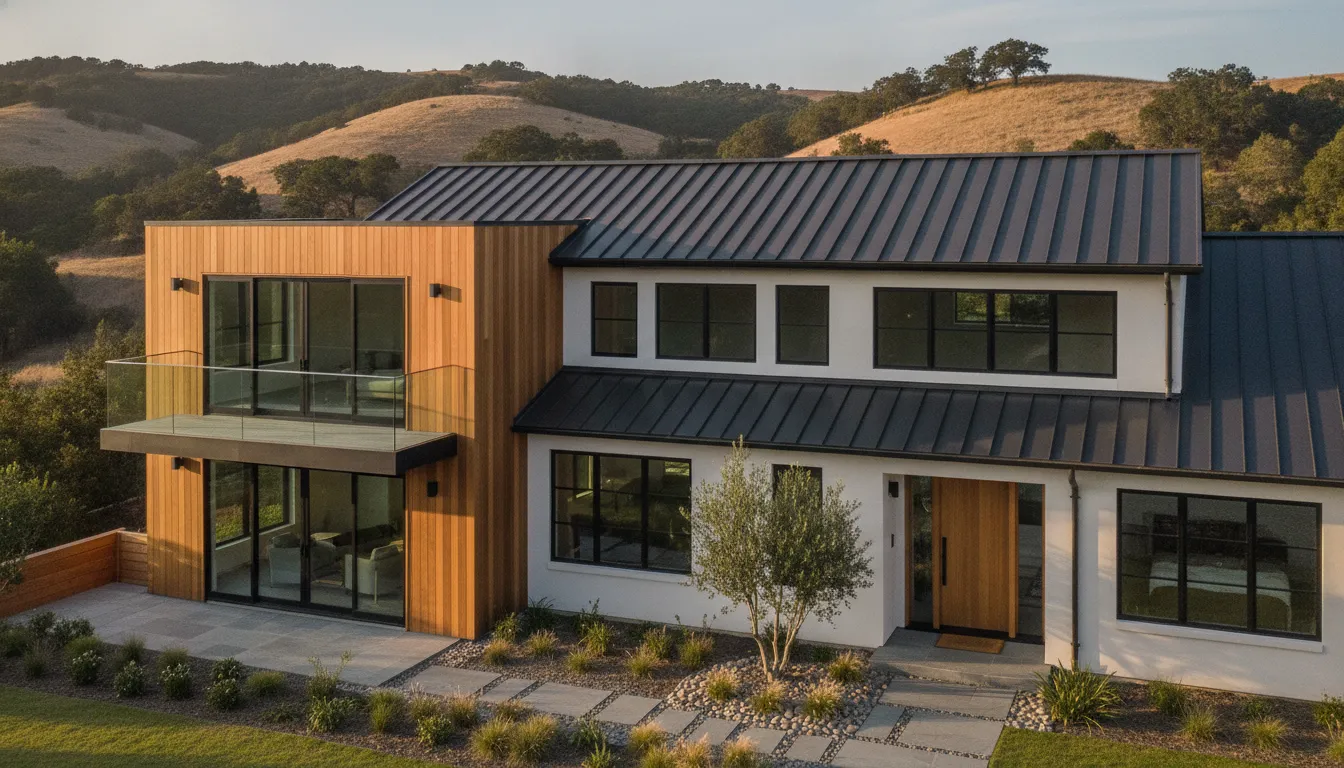
A clear planning process reduces these risks. Review examples of completed remodeling projects, identify what feels appropriate for your property, and ask why specific design decisions were made rather than copying finishes alone.
Frequently asked questions
Which remodeling project has the best ROI in the Bay Area?
There is no universal winner. Projects that correct a clear deficiency, such as a poorly functioning kitchen, worn bathroom, failing exterior, or inadequate layout, often have stronger value logic than improvements made only to follow a trend. The right answer depends on condition, neighborhood expectations, scope, and ownership timeline.
Is a full remodel better than renovating one room at a time?
A full remodel can be more coherent when layout changes and building systems overlap. Phased work may be easier to budget and less disruptive at one time. Compare the cost of repeated mobilization and temporary work against the benefits of spreading investment over time.
How should I budget for unexpected conditions?
Include a contingency based on the age of the home, available documentation, and how much concealed work the project will expose. Investigations before construction can reduce uncertainty, but they cannot eliminate it. Your project team can help discuss an appropriate range without promising that every condition is knowable.
Should I remodel before selling my Bay Area home?
It depends on the home’s condition, likely buyer expectations, and the time available. Targeted repairs, maintenance, and presentation improvements may be more practical than a major remodel immediately before sale. Consult a local real estate professional and remodeling team before making a large presale investment.
Plan around value, not a single percentage
The strongest remodeling ROI Bay Area strategy begins with the property itself. Resolve risk, identify the household’s most important functional problems, understand local market expectations, and choose a scope that fits both budget and ownership horizon. Resale matters, but so do years of comfort, flexibility, and confidence in the home.
Schedule a consultation to explore a thoughtful remodeling strategy for your Bay Area home.
Ready to talk about your kitchen?
Get a free, no-pressure design consultation. We'll walk through your goals, budget, and the upgrades with the best return for your home.