
San Francisco homeowners need more space, but high costs and tight lots make every square foot count. You must decide if you want to add to your current home or build a separate unit in the yard.
Schedule a design consultation with Golden Heights Remodeling to compare the best options for your property.
A home addition vs ADU Bay Area choice depends on if you want to grow your floor plan or build a unit in the yard. An ADU is a separate unit with its own kitchen and bath, while a home addition adds rooms to your main house structure. Data from the City of San Francisco shows ADUs give you a separate place to live for family or potential rental income. This choice changes how fast you get permits, since state law now makes ADU approvals faster than most standard room additions. By seeing these key facts, you can pick the best path for your property value and your own life goals.
You need to know which option fits your yard and your goals before you start the design process. This guide helps you compare costs, privacy, and permit rules for each choice. You can start with our look at Home addition vs ADU Bay Area: the quick decision. The path begins with
Home addition vs ADU Bay Area: the quick decision
Choosing a home addition vs ADU Bay Area depends on how you want to use your land. Both choices add value and space to your house. A home addition builds onto your current home. An accessory dwelling unit (ADU) is a separate living space on the same lot. Your goals for cost and use will guide your final choice.
The pros of a home addition
A home addition is the best way to grow your current home’s floor plan. You can use room addition services to add a new bedroom or a larger kitchen. This project keeps the family under one roof. It is a top choice for a multigenerational home remodel. This keeps parents or kids close while giving them their own space. It also improves the flow of your life by adding room where you need it most. Adding onto your house often brings a high return on value for your home.
In the Bay Area, a home addition often involves complex structural work. This is why Golden Heights Remodeling’s design-build model is helpful. We handle the 3D plans and the build in one shop. This cuts down on errors and saves time. If you want a home office addition, building onto your house is often simpler than a new unit. It lets you use your current home systems to save on costs. You can also match the style of your home’s outside for a smooth look.
Why choose an ADU?
An ADU offers more privacy than an addition. It is a full home with a kitchen and bath. Experts at the Terner Center for Housing Innovation show that new state laws make these units easier to build. Many cities now have a faster permit process for them. This makes ADU services a great tool for homeowners who want to earn rent money. You can build a unit in your backyard or over a garage. They can be detached from the house or attached with a separate door.
The cost of an ADU can vary. In San Francisco, a new unit usually costs at least $125,000 for work and parts, per city building data. While it costs more than a small room addition, the income it brings can pay for the build. You also get a private space for guests or a quiet office away from the main house. It is a useful asset that grows with your family’s needs over the years. This unit also adds a new address to your land, which is great for long-term equity.
Comparison of project features
Both projects have unique traits. A home addition is part of your house, while an ADU stands alone. This chart shows the key gaps to help you decide.
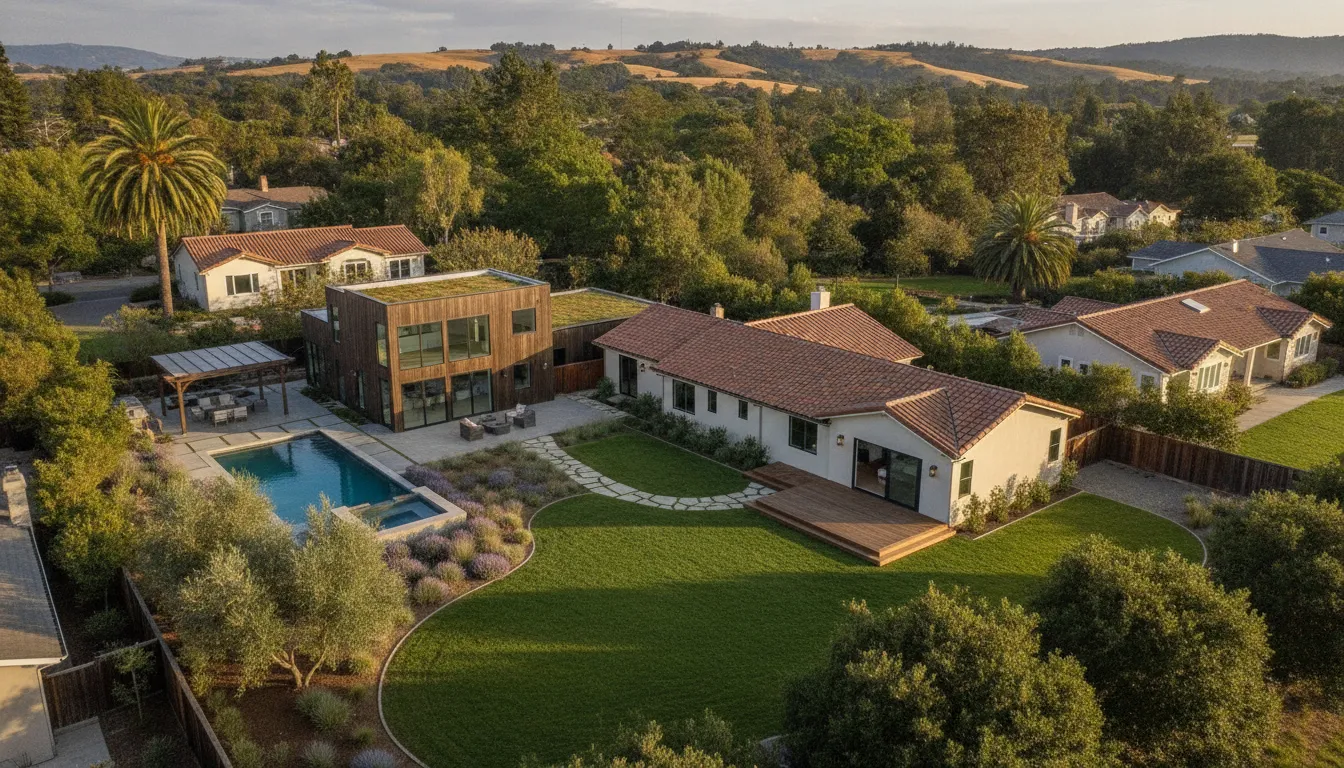
We use a 3D design-build approach for both to ensure you love the look of the new space.
| Feature | Home Addition | ADU |
|---|---|---|
| Connection | Attached to main house | Detached or separate unit |
| Kitchen | Uses your main kitchen | Has its own kitchen |
| Privacy | Part of the main home | High privacy |
| Utilities | Shares home systems | Often needs new meters |
| Best Use | Extra room or big kitchen | Rental or guest house |
| Permits | Local city permits | Faster state rules |
Which option fits how you plan to use the space?
When weighing a home addition vs ADU, Bay Area owners should look at how they plan to use the space. A home addition adds rooms to your main house. It becomes a part of your daily life. An ADU is a home on its own on your land. It works well for guests or renters. Each choice has its own perks for local homes. You must think about how your family will use the space now and later.
Growing with your family
A home addition is often the best choice for a growing family. It lets you add a new bedroom or a larger kitchen. This type of project is a part of your current house. It helps if you need more room for your kids or a new home office. You can use room addition services to make your main living space feel much bigger. Home additions keep everyone under one roof. They are great for social time and easy reach. But they do change your floor plan. You will need to deal with work inside your home for a while. This choice is best when you want to improve how you use your main house every day. It keeps the layout of your home tight and close.
Private living and rental income
An ADU is a private living space. It has its own kitchen, bathroom, and door. This makes it perfect for older parents or adult kids. They can live close to you but still have their own space. These new homes can also provide space for family members or make extra rental income. In San Francisco, building a new unit often costs at least $125,000 for work and parts. Many people like this choice because it adds a new address to the lot. City fees for these projects can be about 6 to 9 percent of the total cost. It is a smart way to help with the state housing gap. California has made it much easier to build these units in recent years. This change has helped many people add value to their land.
Privacy and future choices
Privacy is a big factor in your choice. An ADU gives you more distance from guests or renters. A home addition keeps everyone close. You should think about how your needs might change in ten years. A guest suite today could be a rental unit later if it is an ADU. This type of choice is a big draw for many Bay Area owners. State laws now help owners build ADUs more quickly. Many cities use a fast permit process for these projects. This path can be faster than the review for standard additions. It helps to reduce the time you wait for permits. If you are not sure which path to take, you can book a design consultation. An expert can look at your yard and help you decide.
What drives home addition and ADU costs?
Many factors set the price of your build. When you look at a home addition vs ADU Bay Area project, costs change based on your land and your goals. You must look at site prep, structure, and fees to find a clear budget. Most price tags come from how much work the land needs and how complex the new room will be.
Site prep and ground work
Your yard plays a big role in the final bill. If your lot is steep, you will pay more for grading and walls. The crew must make the ground flat and stable before they pour any concrete. For a home addition, the team must also check the current house. They need to ensure the old walls can support new weight.
Access is another key cost driver. If workers can only reach the back yard through a narrow gate, the job takes more time. Big machines may not fit in tight spaces. This often means more hand labor, which adds to the price. Both a home addition and an ADU in the Bay Area require a full site review to find the best build spot.
Utility lines and kitchen builds
Linking to water, sewer, and power lines can be costly. An ADU needs its own systems to run as a separate home. This may mean digging deep trenches to lay new pipes. If your main panel is old, you might need a power upgrade too. These hidden costs often catch homeowners off guard.
Kitchens and bathrooms are the most costly rooms to build. They need complex plumbing and electrical work. While a bedroom addition is simple, a full suite adds to the second story addition cost or ground-floor budget. High-end finishes like stone counters or custom tile also drive up the bill.
Design and permit fees
Soft costs cover the work done before a single nail is driven. You will need to hire a design-build firm to draw up plans. A good team handles both the 3D design and the build phase. This design-build model helps keep the project on track and cuts stress.
Permit fees are also a major factor. Every city has its own rules for building. In San Francisco, city fees for an ADU often range from 6 to 9 percent of the building cost. You must pay these to get your plans approved. Professional fees for architects and engineers may add another 10 percent to your total budget.
How do permits and site constraints change the choice?
Choosing between a home addition and an Accessory Dwelling Unit (ADU) often depends on local rules. In the Bay Area, each city has its own set of codes. These rules dictate where you can build and how large your new space can be. Finding these limits early helps you pick the right path for your home.
Navigating the permit process
The permit path for an ADU is often smoother than for a standard addition. California law now requires ministerial approval for ADUs in many cases. This means if your plans meet the city’s basic rules, the city must approve them. This process is usually fast because it skips public hearings. Standard home additions may face a more complex review from local boards.
City fees also play a big role in your budget. In some local areas, fees can range from 6% to 9% of your total build costs. These costs cover plan reviews and site visits. A full ADU design build plan can help you manage these steps. We handle the paperwork so you do not have to deal with city staff alone.
Evaluating site and zoning limits
Your land itself might decide which project works best. Zoning laws set rules for “setbacks.” These are the gaps needed between your building and the property line. Many ADU projects have smaller setback needs than a main house addition. This makes an ADU a good choice if you have a tight lot or a large yard. If you want to stay within the house footprint, a room addition might be the better fit.
Utility reviews are another key part of the planning stage. Adding a full kitchen or a new bath means you need more power and water. Some older Bay Area homes may need a panel upgrade to handle the extra load. Golden Heights Remodeling looks at your current systems during a free consultation to see what is possible. We check for site issues like steep hills or old trees that could impact your plans.
Historic and hillside reviews
If you live in a historic zone, your design review will be more strict. The city may want the new work to match the old style well. Hillside lots also bring extra challenges for remodel vs new construction choices. Steep land needs deep piers or strong walls to stay safe. These things can change your costs and your time. It is best to check these rules with a local expert before you start your design.
How should you plan the project from idea to build?
Planning a big job like a home addition vs ADU Bay Area starts with clear goals. You must decide if you need extra room for your family or a rental unit for cash. Both paths need deep thought about your budget and how you will use the land. Local laws in the San Francisco Bay Area can change by city, so knowing your rules early is key.
Define your goals and budget
First, think about why you want to build. A room addition might give you a larger kitchen, while an ADU offers a private home for a guest. You should also look at your cash. Setting a real limit now helps you avoid stress later. Most pros say you should plan for all costs, from parts to labor, before you start.
Golden Heights Remodeling at Golden Heights Remodeling suggests a design consultation to map out these early steps. We can help you see if a garage conversion or a new wing fits your needs best. This first step ensures your project stays on track from day one.
Design and permitting phase
Once you have a goal, you need a plan. Pro 3D design work helps you see the result before work starts. This phase also includes getting your permits. California law needs cities to give a fast OK for most ADUs which helps speed up the wait. This check is often quicker than the one for a common home addition.
A design-build model makes this easy by handling all the papers and plans in one place. This means you do not have to talk to many different firms. You get a single point of contact who knows your project inside and out.
The planning order
Following a set list of steps keeps the work moving. Here is how a common project flows from the first spark of a plan to the final build.
- Check your local zone rules. Before you draw plans, find out what your city allows for your lot size and home type.
- Set a firm budget. Include costs for design, permits, and work to make sure you can finish what you start.
- Create full 3D plans. Work with an expert to see how the new space will look and work with your current house.
- Apply for building permits. Send your plans to the city and wait for their OK before any tools hit the site.
- Hire a trusted builder. Choose a team that knows the Bay Area and handles both the design and the build phases.
- Start the building work. Watch as the new base is poured and the walls go up to create your new living space.
- Pass final city checks. The city will check the work once it is done to ensure it meets all safety codes and rules.
By following these steps, you can turn a hard build into a smooth process. Whether you choose room addition help or a new ADU, a clear plan is your best tool. Our expert team is here to guide you through every choice and build a space you will love.
How do privacy, daily life, and flexibility compare?
Choosing between a home addition vs ADU Bay Area depends on how you want to use your space. An addition is part of your main house. It feels like a smooth growth of your current rooms. It works well for a new bedroom or a larger den. But it means everyone stays in the same building. This can lead to more noise and less own space for some people. You must think about how your daily life will change when the house gets bigger.
Household flow and daily privacy
An attached addition changes how you move through your home. It often adds a new hall or door in a common area. This keeps the family close but can break your peace. If you add a suite for a guest, they will still be inside your house. You might share the same door and halls every day. This layout is good for young kids but may not work for adult children or renters.
An ADU gives you a full split from the main home. It is its own building with its own door and kitchen. This makes it perfect for a multigenerational home remodel. You can host family or friends without losing your own space. Noise stays in each unit. This setup helps everyone feel more at ease. It allows for aging in place while keeping one’s own life and plan.
Yard impact and outdoor living
Both projects will change your land’s footprint. An ADU usually sits in the backyard. This takes away part of your lawn or garden. You must also plan for paths and parking. You might need to add a new side gate or a stone path. New rules in some cities may let you skip parking, but you still need a way for guests to reach the unit safely. This can make a small lot feel a bit crowded if you are not careful.
A home addition can save your yard if you build up. You can add a second level to gain more room without losing your garden or deck. This is a smart move in busy city areas where land is hard to find. You can review the second story addition cost to see if it works for your budget. Keeping your outdoor space for pets or play is often a top goal for local families.
Rental flexibility and resale value
ADUs offer a special kind of use that a bedroom addition cannot match. You can turn the unit into a rental to earn monthly cash. This makes your home a source of money. Laws in California now help more people build these units by making the permit process faster. Data from the Terner Center at UC Berkeley shows that ADUs are a key way to grow housing in tight markets. This extra money can help pay for the project over time.
A standard addition grows the total square feet of your main house. It makes the whole home more useful for a future buyer. While you can rent out a room, it is not as easy or private as renting a whole unit. Both paths can help with resale. Most buyers in our area look for homes that offer space for a home office or a parent. Having more room is a major selling point in the local market today.
A practical checklist for making your decision
Choosing between a home addition or an ADU is a big step. You must look at your goals, your land, and your funds. This list will help you find the best path for your Bay Area home. It is best to think about how you will use the space now and in the years to come.
Check your main space goals
Start by asking what you need the new room for. If you want a spot for your kin to live on their own, an ADU is often the best fit. These units act as own homes with their own kitchens and baths. If you just want to grow your current living room or add a bedroom, a home addition is usually better.
Think about how much space you want. A home addition keeps all your kin under one roof. This works well for a multigenerational home remodel where you want to stay close. But if you want to rent the space out, a private ADU offers more peace for both you and your tenant. You should also think about how much noise and mess you can stand during the build.
Check your lot and power lines
Your land will help you make the choice. A detached ADU needs its own space in your yard. You must check local rules for yard gaps. If your lot is small, you might need to build up instead of out. Building up can save yard space for a garden or pool. It also keeps your yard open for pets and kids to play.
Power, water, and sewer lines also play a big role. An ADU may need new lines to handle the extra load. This can add to the total price. A home addition can often tap into your current home systems more easily. It is vital to talk to a pro about your site’s size before you start. They can see if your current pipes are big enough for the new load.
Think about your budget and plans
Budget is a key part of the home addition vs ADU Bay Area choice. In San Francisco, city fees for ADU projects often run from 6% to 9% of the build cost. You should also plan for design fees. Most pros charge about 10% of the total cost for their plans. These costs can vary based on where you live and what you build.
Think about the future of your land and how long you plan to stay. ADUs can provide rent to help pay for the build. They also have different tax rules than standard additions. Based on the California ADU Handbook, state laws now make it much easier to build these units. Pick the path that gives you the most value over the next ten years. A good design will help your home’s worth grow over time.
Do not forget the noise and dust. A home addition is part of your house. You will live next to the work for months. An ADU is its own building. This means you can keep your daily life more quiet. It is a good idea to think about how this will affect your kids or pets. If you work from home, the quiet of an ADU build might be a win for you.
Before you sign a contract, get a full site check. Golden Heights Remodeling can help you look at your lot and your goals. We can help you plan your next move. This step ensures your project meets local codes and stays on track from start to finish. A pro check can save you time and cash in the long run.
Talk with Golden Heights Remodeling about your addition or ADU plans.
Frequently Asked Questions
Are ADU permits easier to obtain than home addition permits in the Bay Area?
ADU permits are often faster to get than standard home additions. Recent state laws require cities to give ministerial approval for these units. This means your plans do not need a public hearing if they meet local rules. According to the Terner Center, these rules help speed up the build process. A home addition may still face a longer review path from local boards which can add weeks to your start date.
What are the cost differences per square foot for an addition versus an ADU in the Bay Area?
An ADU usually costs more per square foot than a simple room addition. This is because a new unit needs its own kitchen, bathroom, and utility lines. In San Francisco, a new unit costs at least $125,000 for labor and parts, per city building data. A room addition can cost less if you use existing systems from the main house. However, an ADU can make rental income that helps pay back your building costs over time.
Can a home addition include a kitchen?
You can add a room with a wet bar or a sink, but a full kitchen in an addition is often limited. If you add a stove or a full cooking range, the city may view the project as a new living unit. Data from RenoFi shows that ADUs are the best choice if you need a legal second kitchen. Building an ADU gives you the right to have a separate home with all the tools for private living.
Does an ADU or a home addition add more resale value?
Both options can boost your property value in the Bay Area. A home addition adds to your home’s total square footage and bedroom count. This is great for families who need more space in one house. An ADU adds a separate asset that can bring in rent money. According to Bay Area Design & Construction, both paths offer high returns. The best choice depends on if buyers in your area want more living rooms or a private rental unit.
Ready to build your Bay Area home addition or ADU?
Waiting to build can be a costly mistake because prices for parts and labor go up each year in the San Francisco Bay Area. Starting your project now helps you avoid these price hikes and move into the permit phase sooner so you can finish your project. This means you will have your new space ready for use or rent much faster than if you waited until next year to start. A home addition or ADU provides the extra room your family needs while adding long term value to your home. Golden Heights Remodeling makes the process easier from start to finish by coordinating the plans and building work. You can trust us to get the job done right so you can enjoy your new space without any stress or worry.
Schedule your design consultation with Golden Heights Remodeling.
Ready to talk about your kitchen?
Get a free, no-pressure design consultation. We'll walk through your goals, budget, and the upgrades with the best return for your home.